Space Portal
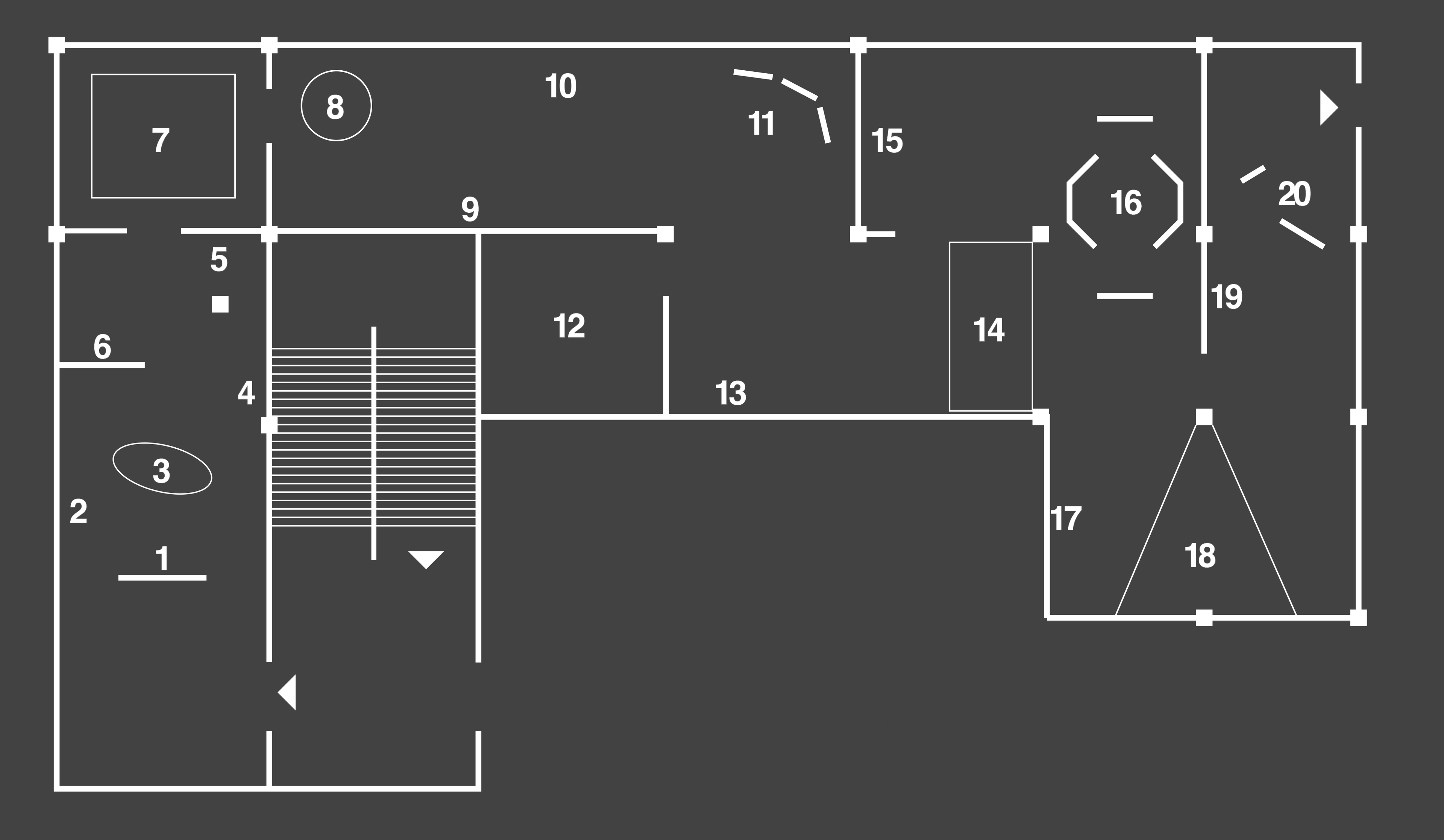
Like stars in the night sky, this exhibition is filled with many images or films that have a deep background in science, arts, and the personal experiences of each of the artists. We have put together a Space Portal where we share much more information, images, videos and open up new activities for everyone, including kids.
☀️ The Aesthetics: Step into space through the eyes of the artists.
🌛 The Science: Travel through facts and discoveries about space.
⭐️ The Adventure: Grab an activity sheet at the ticket desk, explore the exhibition, and take home a little surprise at the end.
→ Section I — Camera Obscura & Camera Lucida of the Cosmos
→ Section II — The Dissolution of Earthly Coordinates
→ Section III — Internal Illuminations
Section I — Camera Obscura & Camera Lucida of the Cosmos
#1

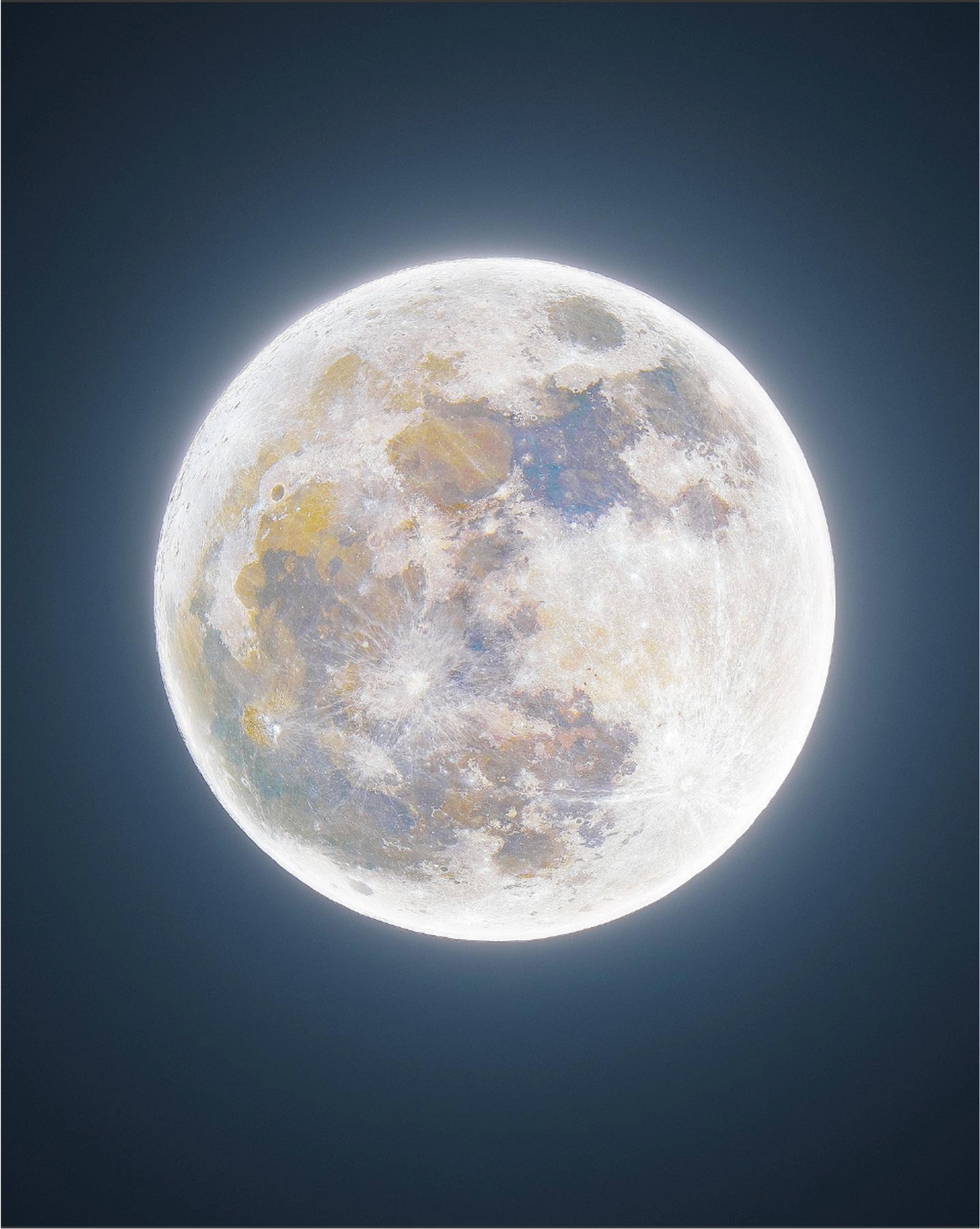
🌛 How to Photograph a Super Clear Moon?
(Press the image to reveal more information)
By attaching his camera to a telescope and tracking the Moon over several nights, Darya Kawa gathers tens of thousands of exposures—sometimes over 80,000 for a single photo. These images are digitally aligned and “stacked,” a method that averages the consistent lunar surface signal while reducing random visual noise.
This process dramatically sharpens the image, revealing fine details like crater edges, ridges, and mineral patterns.To keep the Moon perfectly framed, Kawa uses a motorized equatorial mount that rotates in sync with Earth’s axis. This ensures that the Moon remains centered during long observation sessions, enabling precise stacking. In some of his most advanced images, he merges photos from different lunar phases, allowing sunlight from various angles to illuminate shadowed regions. This “phase mosaic” reveals more topography than any single phase could show.
Kawa’s color processing is also grounded in lunar science. By adjusting white balance and applying filters, he enhances subtle color differences caused by the Moon’s mineral composition—such as titanium-rich basalts that appear blue, and feldspar-rich highlands that reflect white or orange hues. These colors correspond to real geological features confirmed by NASA.His photos of rare events like “super blue moons”—a full Moon at its closest point to Earth and the second full moon of the month—further demonstrate how data volume and technique combine to yield clearer, brighter results.
⭐️ Clue to the Little Cosmic Detective Activity Sheet Here!
#2

☀️ What is the color of the night?
The night sky is often perceived as dark blue, particularly during twilight or clear nights, we call that color Midnight Blue, because our eyes change their perception of colors in low intensity light. The dark blue from the Cyanotype print then looks very familiar and has a natural “connection” to this midnight blue, though is actually the result of the reaction of the metallic composition of the cyanotype to the exposure to UV light.
The works of Cecilia Ömalm & Göran Östlin feel somehow familiar – as they closely relate to contemporary works of the abstract expressionist or minimalist schools. Compare the print of the eclipse to the famous early painting of Malevitch called “The Black Circle”, which was considered one of the first abstract works of art.
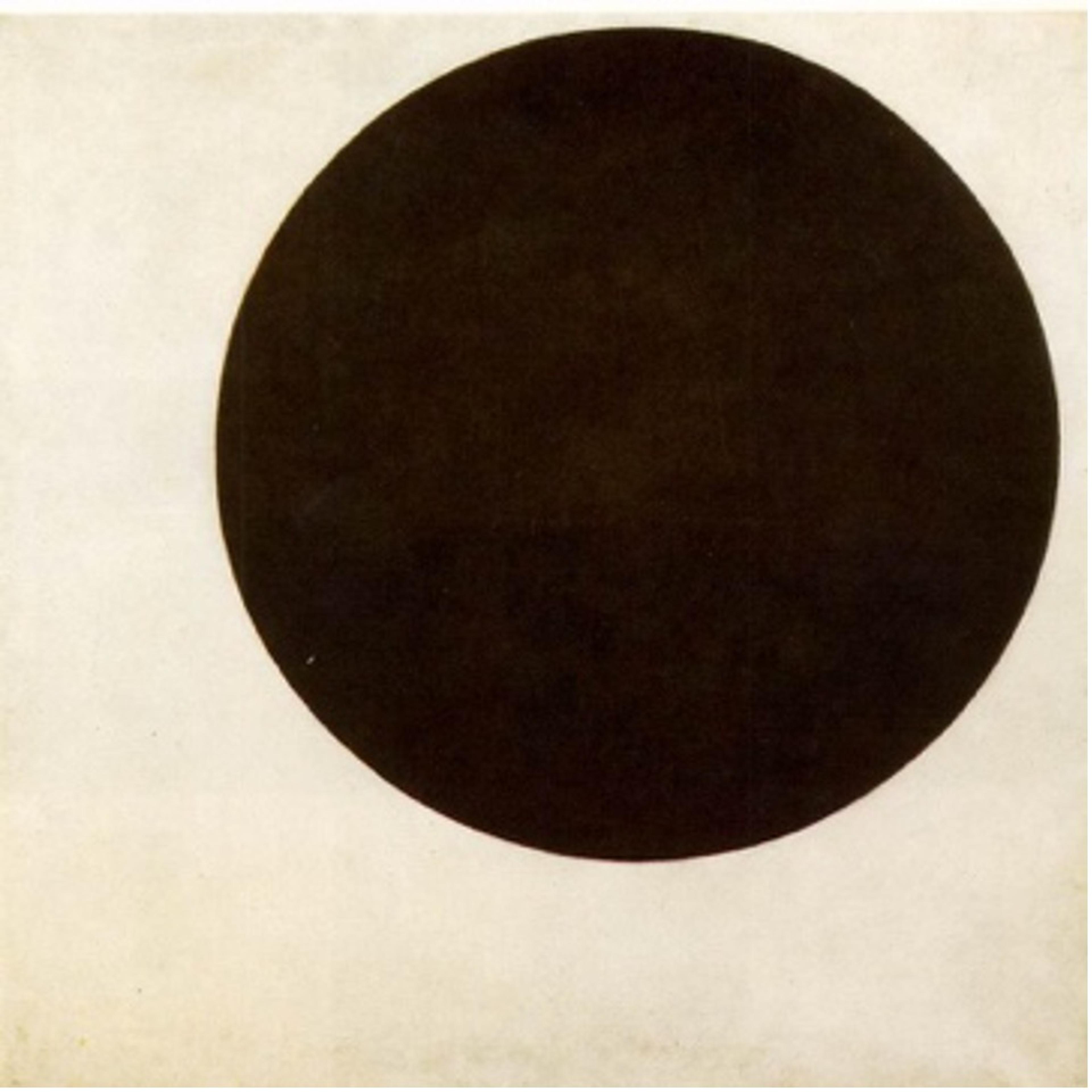
What’s interesting is that while Cecilia’s print itself may generates the emotion of an abstract art piece, it is deeply rooted not only in the capture of “the real world”, but also rooted in the history of science. This gives her work additional dimensions that makes it fascinating.
🌛 Cyanotype: Photography without a Camera
The technique they use—cyanotype—was invented in 1842 by Sir John Herschel, the English polymath who was at once an astronomer, chemist, and experimental photographer. Some say that if he had pursued it further, he might have invented photography even before Louis Daguerre. Cyanotype is, at its heart, drawing with sunlight. Using light and simple chemicals, it produces deep blue images without a camera. Much cheaper than Daguerre’s silver process, it later became widely used in architecture as the “blueprint.” It was Herschel himself who gave us the word “photography,” meaning “drawing with light.”
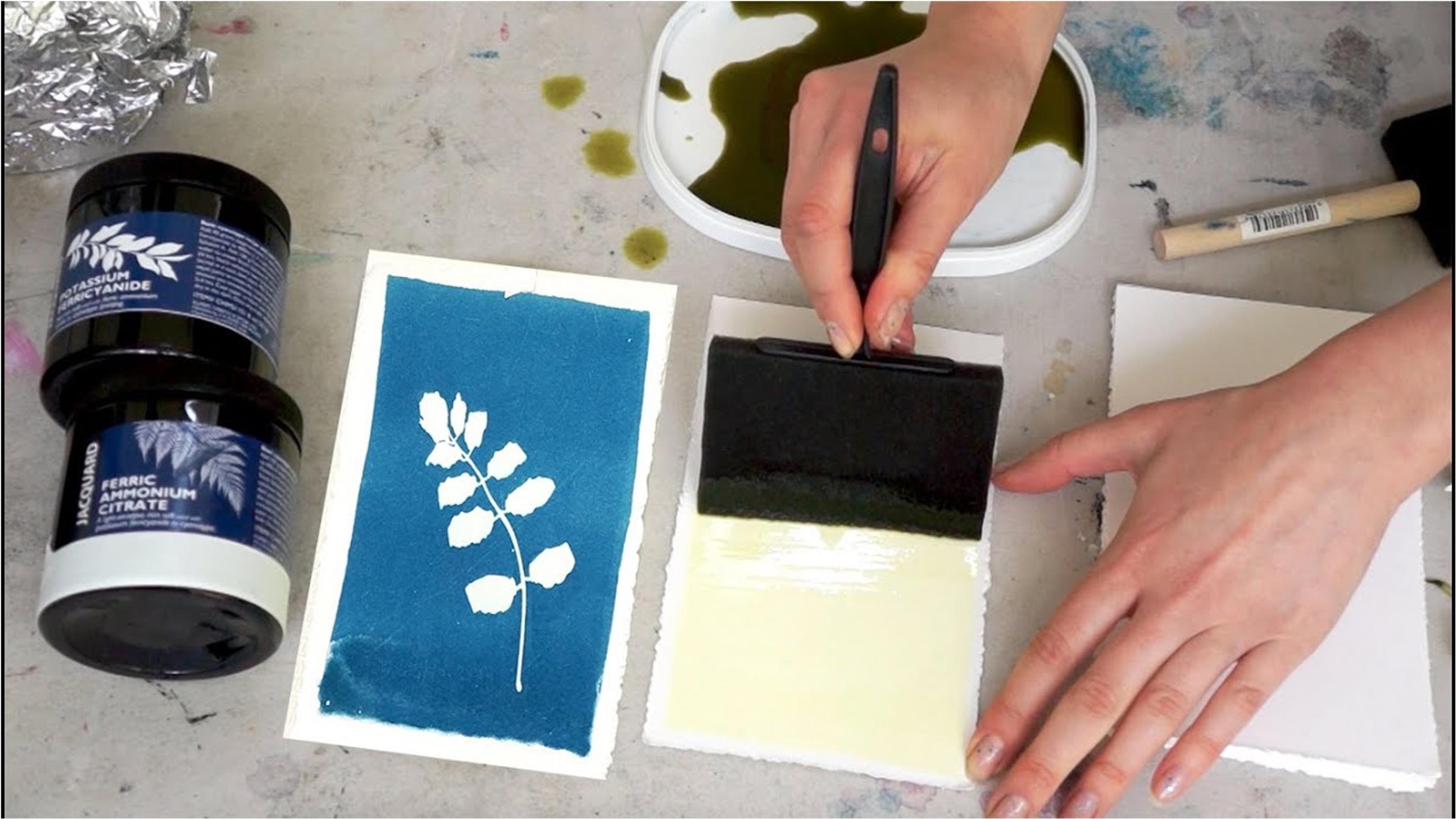
Original glass plates were used to make such cyanotype prints, and among them the oldest one is used for the Venus transit, depicting the observation in 1882 in the Patagonia region in South America. We do not know who made the observation, but their handprint remains on the plate, fixed forever on the rare moment when Venus passed between Earth and the Sun—a phenomenon that only occurs every hundred years or so.
Another remarkable print is the Crab Nebula. This tangled cloud of light is the remnant of a supernova explosion. According to Edwin Hubble’s calculations in 1928, it took about 900 years to expand into its current form. That date aligns perfectly with a “guest star” recorded by Chinese astronomers of the Song Dynasty in the year 1054. This makes the Crab Nebula the first astronomical object identified with a historically observed supernova.

And among the most moving works is one of the oldest surviving photographs: an image of William Herschel’s telescope, captured by his son John before the instrument was dismantled. Now reborn as a cyanotype—John’s own invention—the image feels doubly significant, as if it was meant to endure in blue.
⭐️ Clue to the Little Cosmic Detective Activity Sheet Here!
#3

🌛 To See the Invisible
The artwork Fragmented Echoes begins with the universe’s faintest whispers — radio waves that have traveled across billions of years of space. These signals are captured by the Square Kilometre Array (SKA), one of the world’s most ambitious scientific instruments. Still under construction across South Africa and Australia, the SKA will eventually combine thousands of radio antennas into a single, continent-sized telescope. Working together, they will form an enormous virtual “eye” capable of detecting signals too weak or distant for any existing observatory.
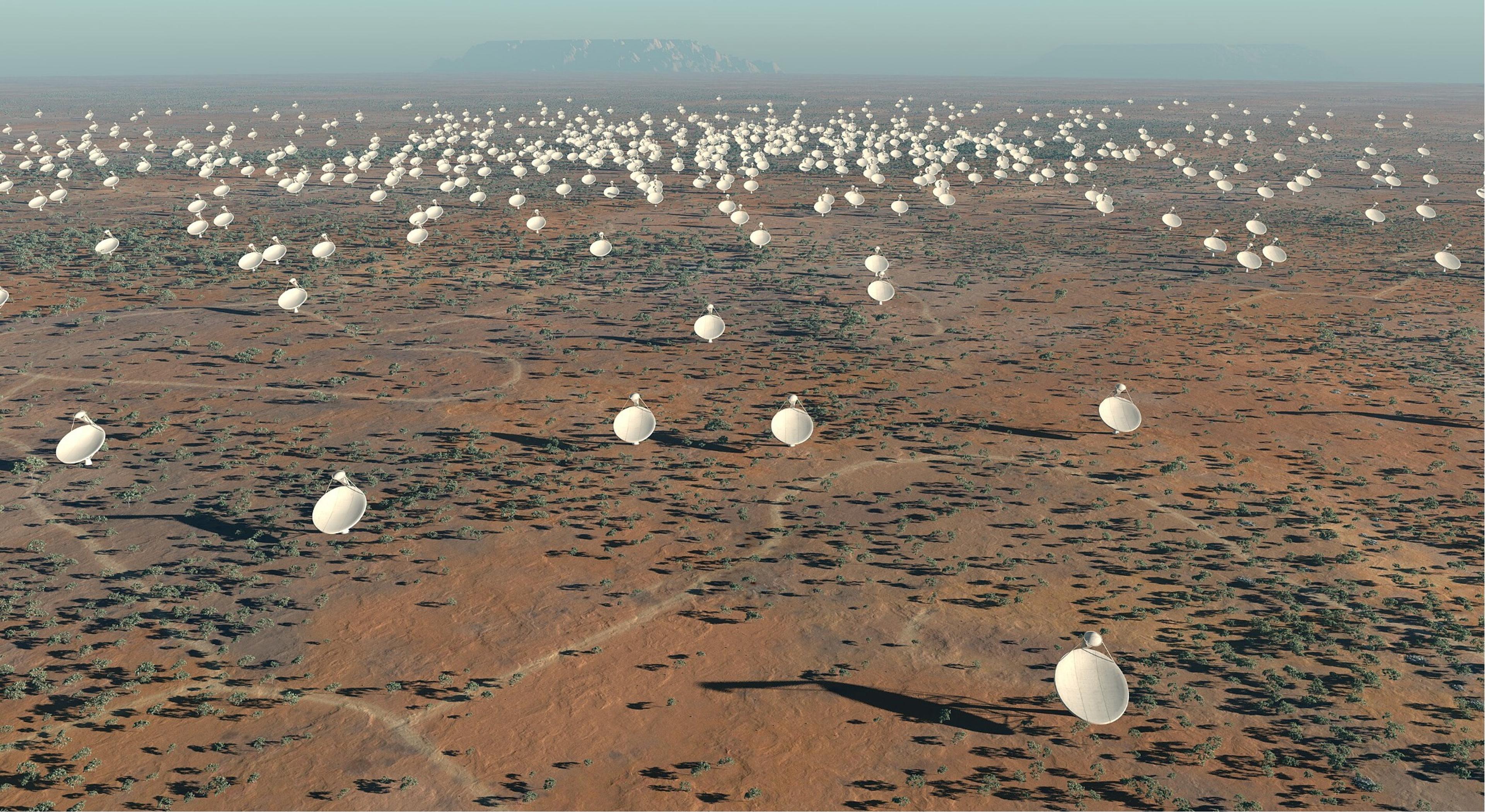
Unlike the images we see through optical telescopes, which capture light in visible wavelengths, radio telescopes detect invisible waves emitted by hydrogen gas, pulsars, and galaxies in formation. These signals help scientists map the structure of the early universe, study cosmic magnetism, and even search for traces of life on distant planets. What we see as a smooth night sky is, in fact, a complex landscape of radiation — dynamic, irregular, and ever-changing.
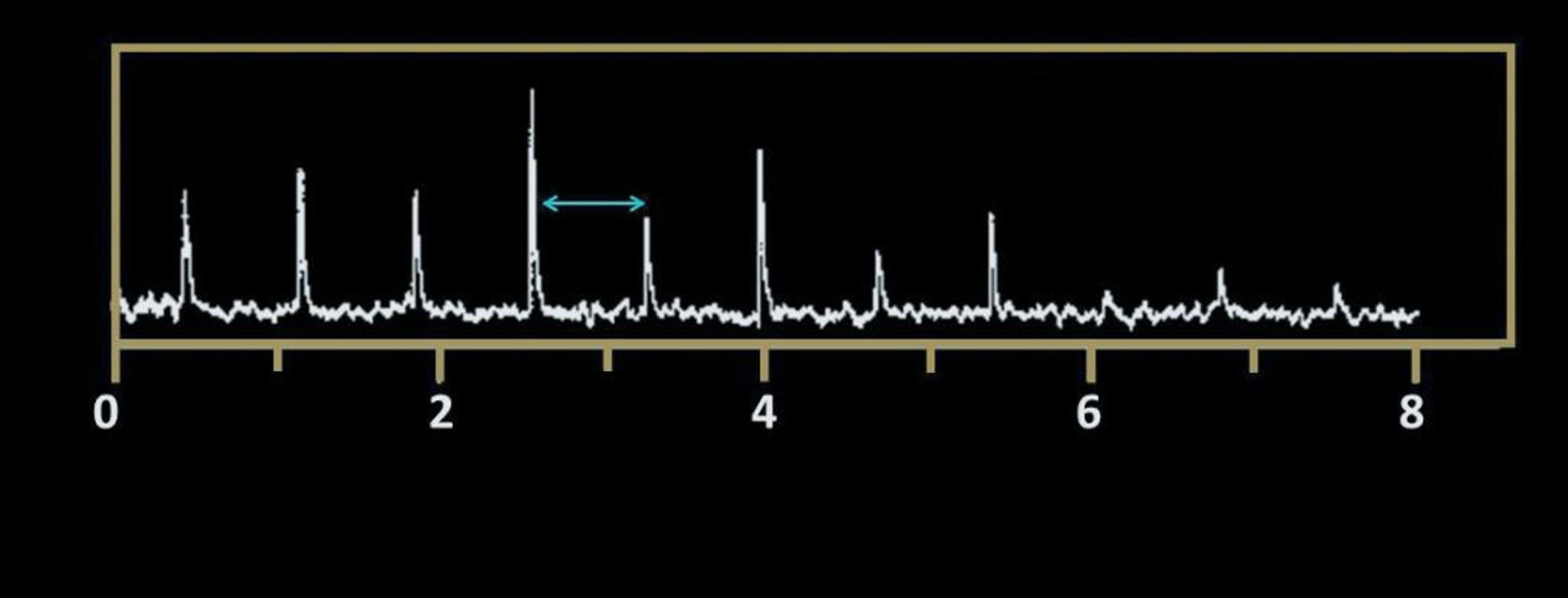
In Fragmented Echoes, SHI Zheng transforms this data into a visual experience. The fragmented maps mirror how astronomers actually receive cosmic information: scattered, incomplete, and stretched across time. Because light and radio waves travel at finite speeds, every measurement is also a look into the past — a record of how the universe once was. The artwork’s shifting, fractured imagery thus reflects both the nonlinearity of space-time and the challenge of stitching together a coherent picture of a cosmos that is always expanding and transforming.
#4

🌛 “Looking up, I find the moon bright.”
One powerful scientific concept in the work is the lunar eclipse, a natural event that occurs when Earth passes between the Sun and the Moon, casting a shadow across the lunar surface. This phenomenon has fascinated astronomers for centuries and continues to be a critical tool in studying the Earth-Moon-Sun system. During a lunar eclipse, scientists can also study the Earth’s atmosphere, as the light passing through it affects the color and brightness of the Moon.
The image of a rocket launch, another key element in the series, speaks to humanity’s enduring ambition to leave Earth and venture into the cosmos. The stage separation event during a launch is a significant milestone in space missions, allowing the spacecraft to shed weight and continue its journey into space. The act of sending humans and machines to the Moon has evolved dramatically since the Apollo missions, with NASA now focused on returning astronauts to the lunar surface with the Artemis program, aiming to establish a sustainable presence on the Moon by the 2030s.
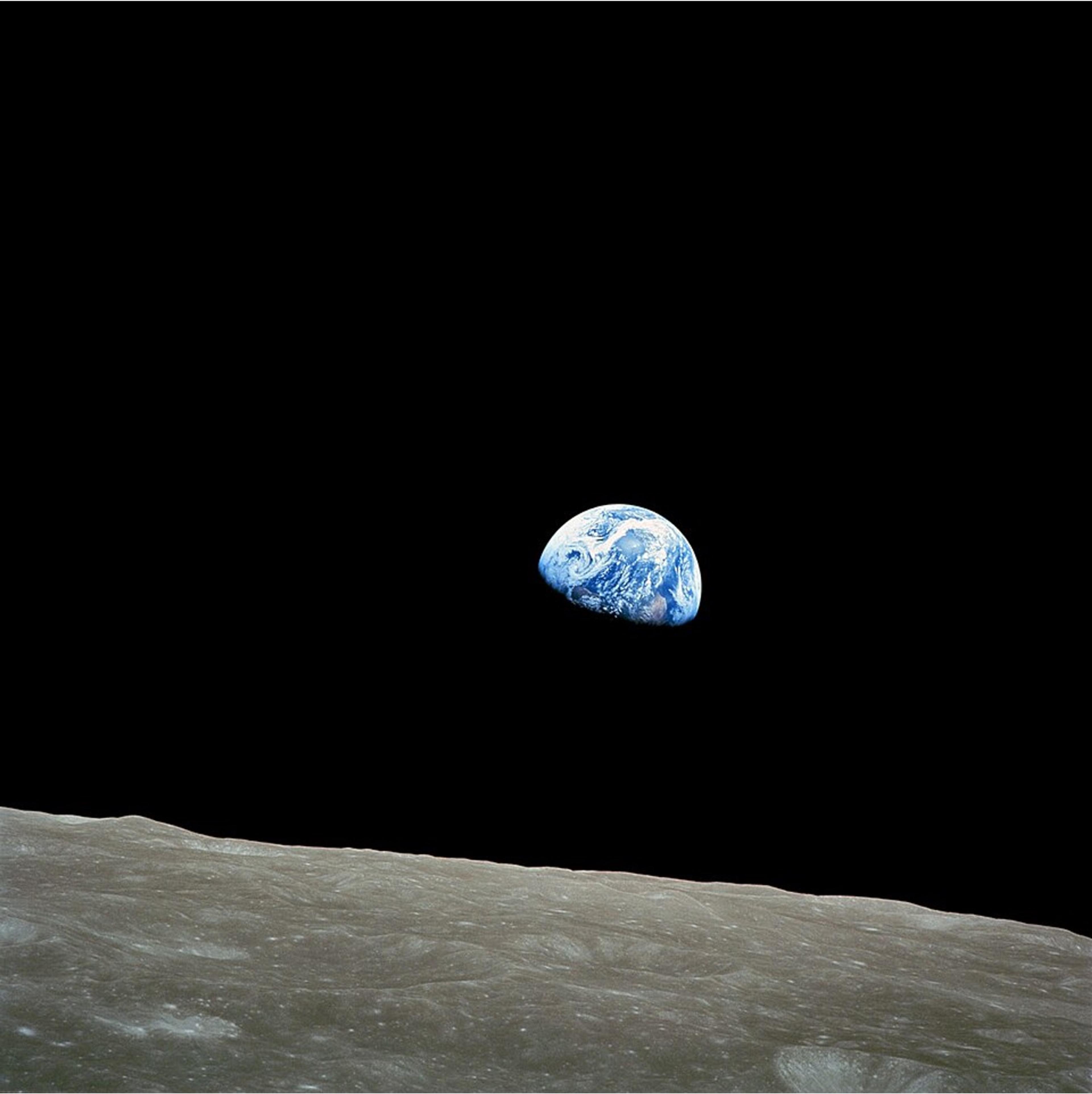
In these photographs, Holm explores not only the scientific and technological aspects of space travel but also the way these endeavors shift our perspective. Much like the iconic Earthrise image captured by Apollo 8 astronauts, Holm’s work reminds us that seeing the Earth from space can change the way we perceive our place in the universe.
⭐️ Clue to the Little Cosmic Detective Activity Sheet Here!
#5

🌛 The Universe within Us
Fu Hongshuang’s Explain the Moon to the Sun invites us to explore the natural interplay between light and shadow, echoing centuries of human observation of celestial bodies. The piece draws inspiration from Thoinot Arbeau’s 1582 treatise on practical astronomy, where he demonstrated how to use a simple hand gesture to create a sundial, allowing people to tell the time using only the sun’s shadow. This clever use of everyday objects to study the cosmos connects us to ancient methods of observing celestial patterns, offering a direct, tangible way to understand the passage of time.
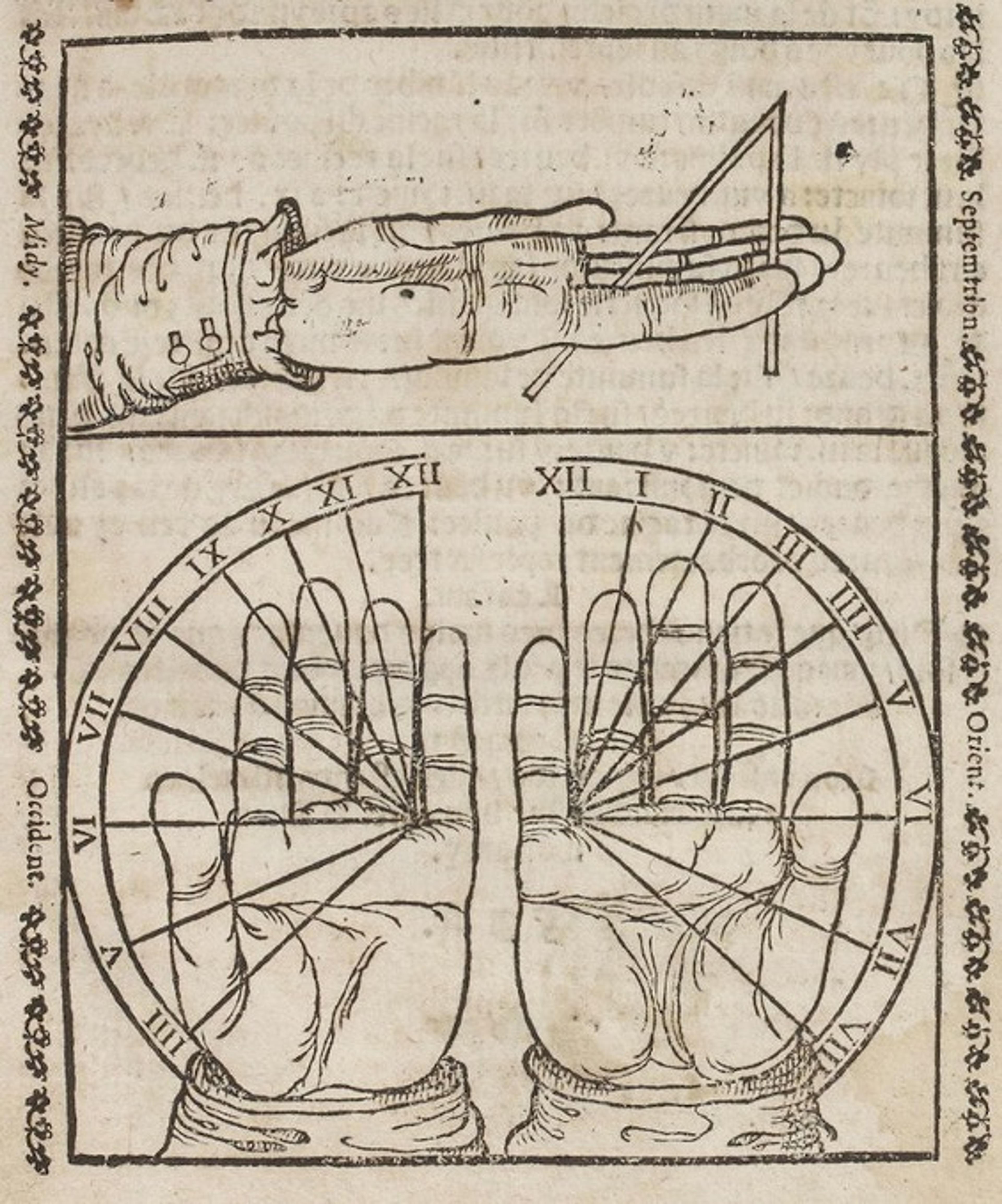
In Fu Hongshuang’s work, the use of cyanotype — a photographic technique that uses sunlight to create blueprints — brings together the interplay of sunlight and shadow in a new way. The transparent cone, engraved with verses about the moon, projects its shadow onto the cyanotype paper as the sun sets. This process mirrors the daily movement of the sun across the sky, which in turn casts the moon’s trace as if to suggest the moon’s eternal presence, even when hidden from view.
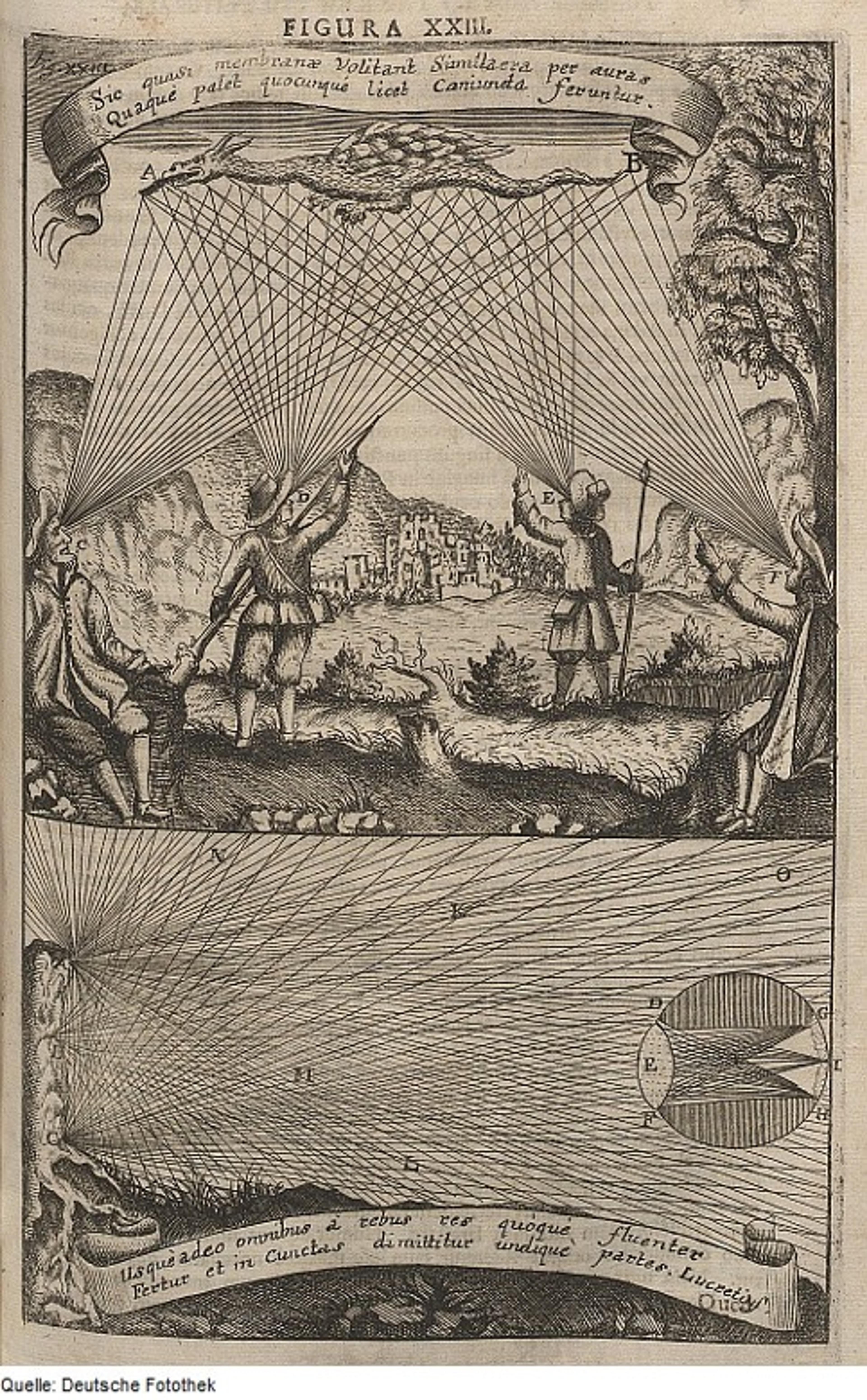
The concept of Emission Theory, which was popular before the advent of modern optics, is also reflected in this work. Ancient astronomers and philosophers believed that vision was the result of a fire or light emitted from the eyes, projecting out into the world. In contrast, modern science tells us that vision works the opposite way — light enters the eyes, forming our perception of the world. Fu Hongshuang’s work invites us to reimagine the moon and sun through this lens, blending poetic imagination with scientific exploration. As we watch the shifting shadows, we are reminded of our place in a universe governed by the laws of light, time, and perspective.
⭐️ Clue to the Little Cosmic Detective Activity Sheet Here!
#6

🌛 Dare to See the Sun
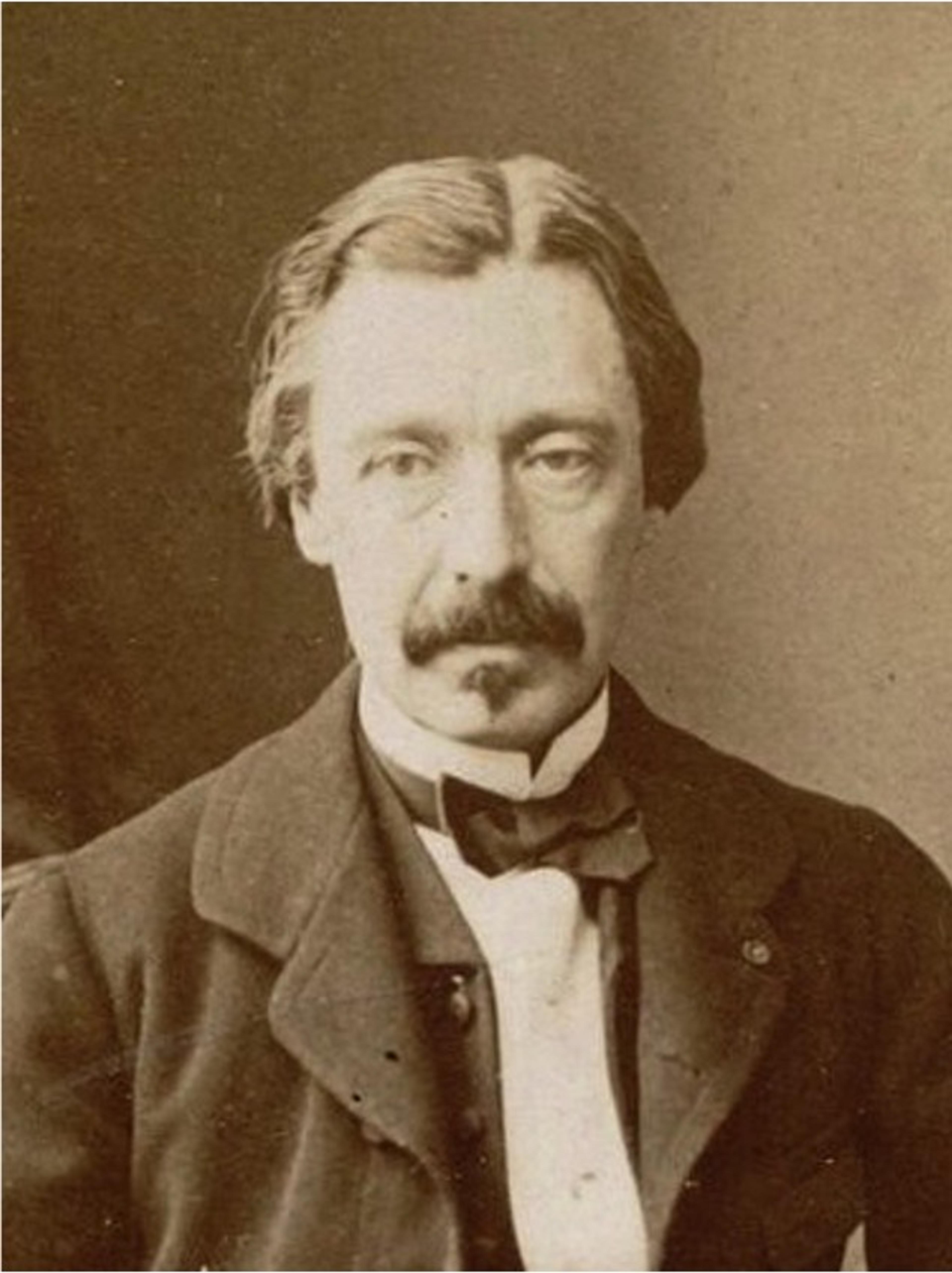
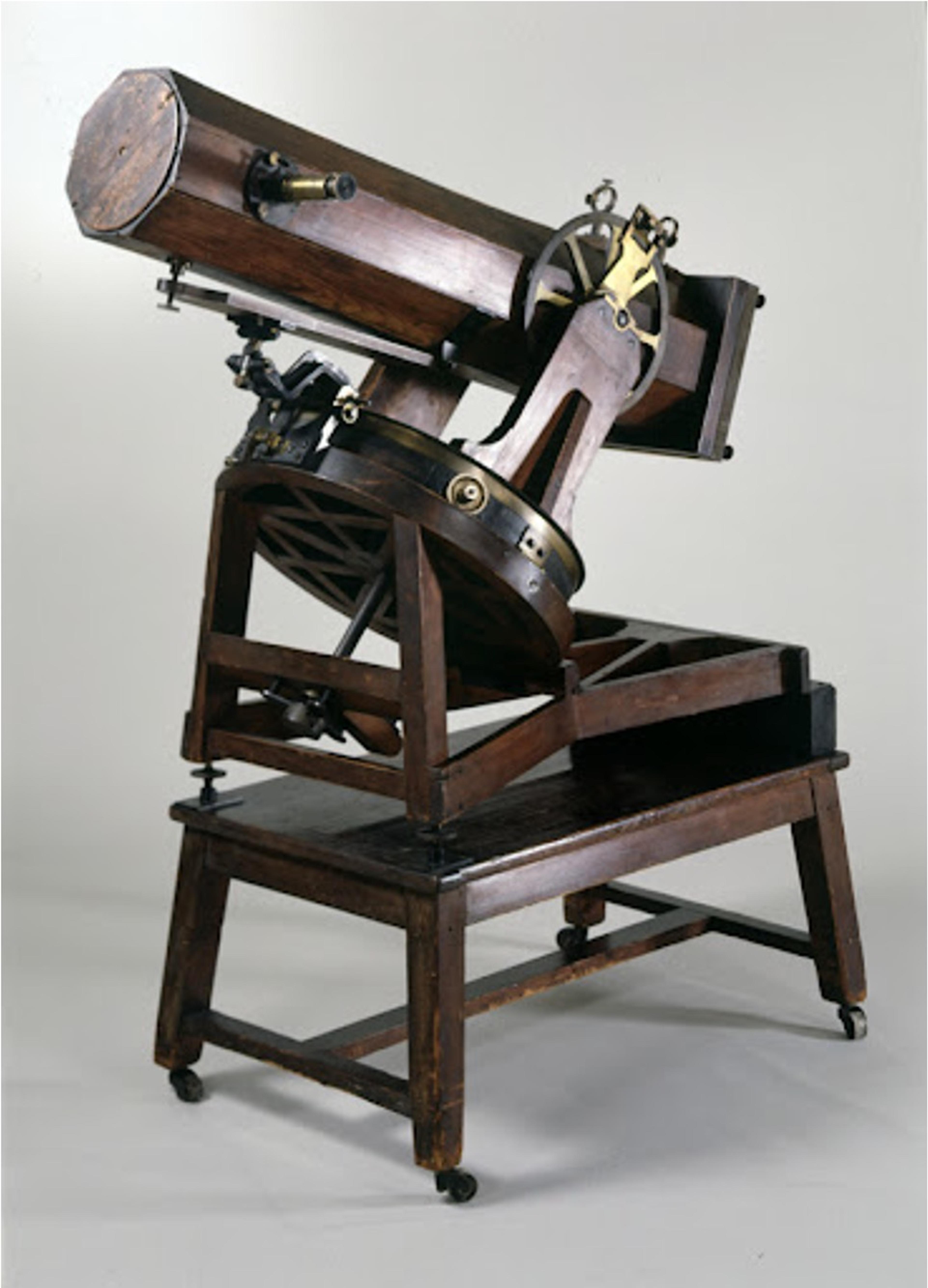
The work was filmed during the 2015 total solar eclipse on the remote Faroe Islands, using a telescope originally owned by the French physicist Léon Foucault. Foucault, best known for his pendulum experiment demonstrating Earth’s rotation, also made groundbreaking contributions to the study of light. In 1845, Foucault, along with Louis Fizeau, captured the first photograph of the Sun, a monumental achievement in the history of astrophysics.
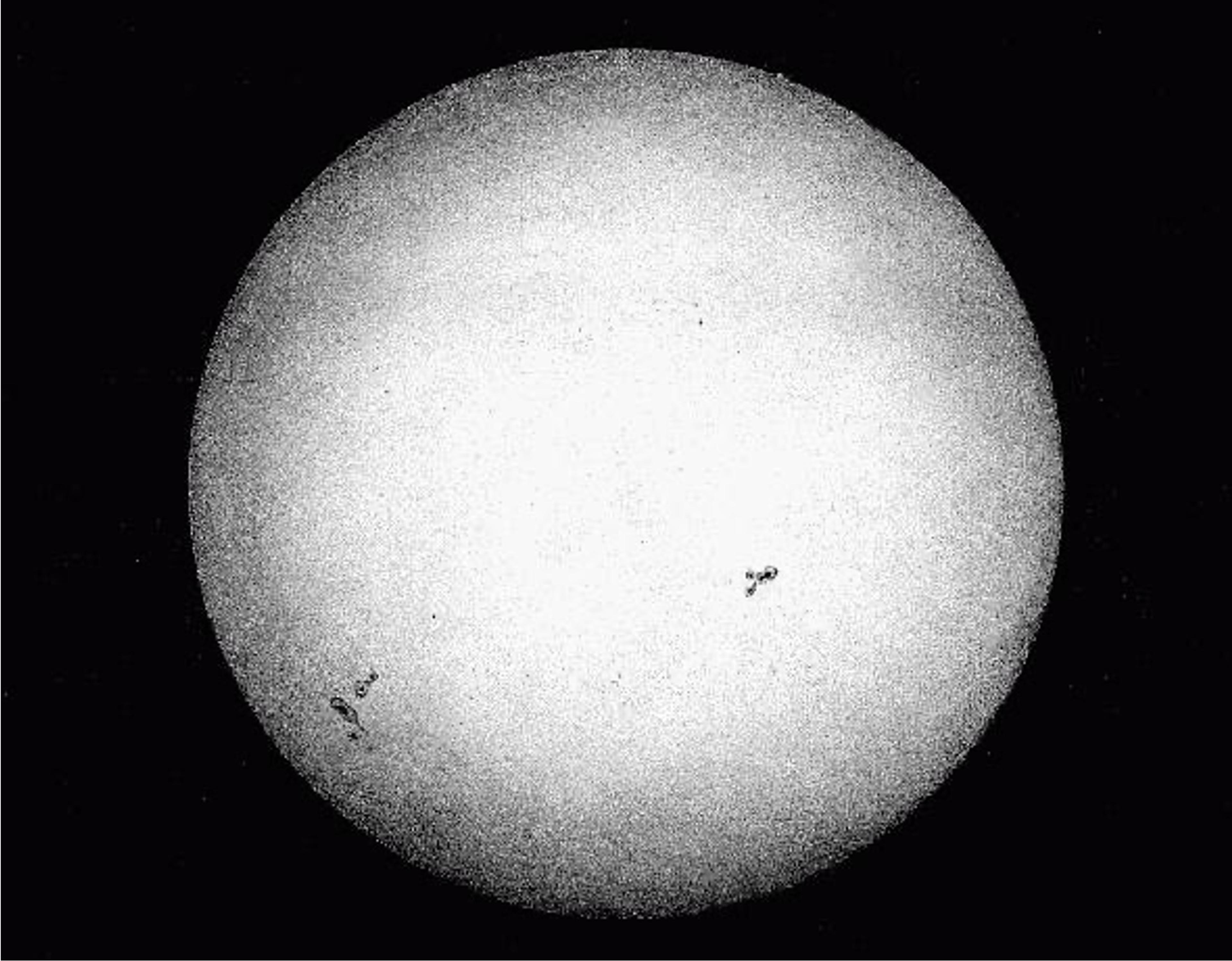
In Hibberd’s film, the eclipse becomes a moment to explore the “diaphane”, a term that the artist uses to refer to the Sun’s faint outer glow, visible only during the fleeting moments of totality. When the Moon covers the Sun, it doesn’t just block out light—it reveals the Sun’s atmosphere, or corona, which is usually obscured by the Sun’s intense brightness. This phenomenon allows scientists to study the Sun's magnetic fields, solar wind, and other solar activity that impacts space weather, such as solar flares, which can affect communications and navigation systems on Earth.
The video’s subtitles echo Foucault’s observations from his own 1860 expedition in Spain, where he used a reflecting mirror telescope to document the eclipse. Foucault’s telescope was transported across Spain by horse and cart, a testament to the era’s dedication to scientific exploration. Hibberd’s use of this historical instrument underscores the enduring curiosity about eclipses and how these events have shaped both scientific understanding and cultural imagination.
#7

🌛 The Life of a Star
The birth and death of stars, as well as the explosive nature of cosmic phenomena, are fundamental processes in the life cycle of the universe. These events, which can be observed in the form of supernovae, nebulae, and other stellar phenomena, form the basis of Thomas Vanz’s Verse, a visual exploration of the cosmos that blends art and science.
Stars are born from nebulae, which are vast clouds of gas and dust. Under immense gravitational pressure, these clouds collapse, leading to nuclear fusion in the core of the star. This fusion process produces light and heat, which powers the star for millions or billions of years. However, the life of a star is finite, and when it exhausts its nuclear fuel, it undergoes dramatic transformations. For massive stars, this culminates in a supernova explosion—an intense release of energy that briefly outshines an entire galaxy. These explosions are some of the most energetic events in the universe, scattering elements such as iron and carbon into space, which eventually become part of new stars, planets, and even life forms.
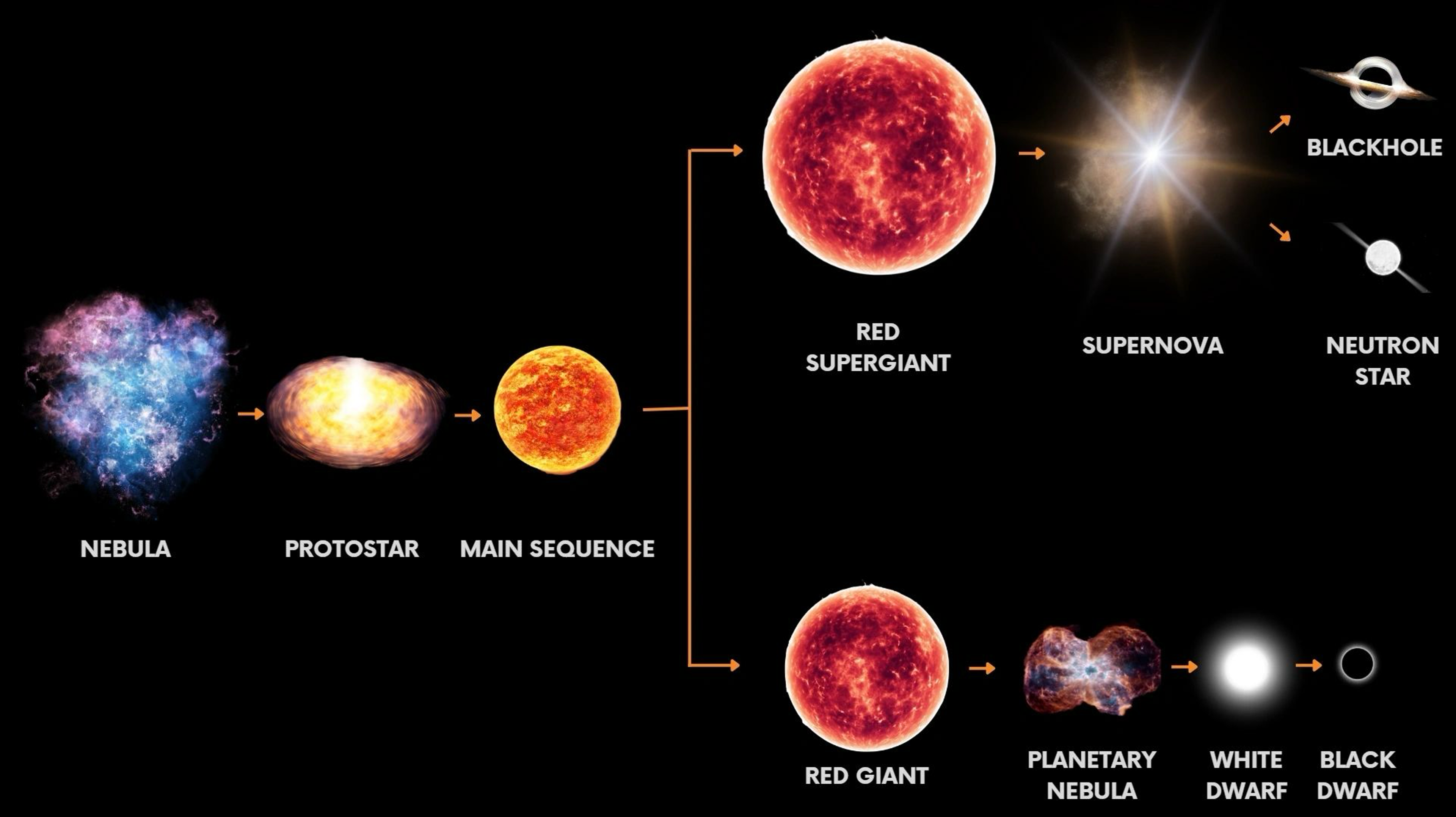
Vanz’s use of inks and pigments to simulate these processes captures the chaotic beauty of this cosmic dance. By filming chemical reactions up close, he evokes the swirling, unpredictable nature of stellar birth and death.
Section II — The Dissolution of Earthly Coordinates
#8

🌛 The Psychology of an Astronaut
Ming Wong’s artwork taps into a surreal intersection of space exploration and ancient cultural narratives, offering a strikingly relevant reflection on the psychology of astronauts.
Living in orbit is nothing like life on Earth. ISS crews see 16 sunrises a day in cramped, weightless quarters, so NASA even tests special lighting and schedules to manage sleep. Over long missions the brain itself adapts: studies find significant shifts in neural connectivity and even increases in brain volume during extended spaceflight. Astronauts cope by following strict routines and clear goals, breaking tasks into short steps to stay focused.
The imagery of a female astronaut moving through a tube-like corridor, reminiscent of both space stations and ancient mythologies, evokes the loneliness and longing experienced by those who are away from home for extended periods. Wong’s choice to use Cantonese opera adds emotional weight to this idea. The song’s themes of exile, separation, and yearning echo how astronauts might feel as they float in the vast emptiness of space, disconnected from Earth and its familiar social and cultural constructs. In space, the astronauts fight loneliness with problem-solving focus and by reconnecting to home – NASA found that photographing Earth from the station’s cupola significantly boosts crew morale.
After long voyages, astronauts often come home changed. They speak of a global viewpoint and deeper empathy – from space, politics and borders fade and all people feel connected. Like Ming Wong’s opera-astronaut bridging legend and future, real space travelers return as ambassadors of an Earth seen whole and precious.
⭐️ Clue to the Little Cosmic Detective Activity Sheet Here!
#9

🌛 The Economy of Space Explorations
Photographer Matjaž Tančič’s “Mars on Earth” project encapsulates this transformation by documenting individuals across China, the U.S., Japan, India, and Europe—scientists, engineers, doctors, farmers, and even amateur rocket builders—who collectively shape humankind’s future beyond Earth. His work underscores that space exploration today is not a solitary race for dominance but a shared human journey where cooperation and inclusivity drive both scientific and economic progress.
This collaborative framework is also reshaping the global economy. The United States remains a leader, with NASA and private firms like SpaceX and Blue Origin generating over $75 billion in economic output and pioneering technologies such as GPS, memory foam, and advanced medical devices. China, with its ambitious “deep space economy” goal of $1 trillion by 2040, integrates state-led initiatives with a burgeoning commercial sector, producing innovations like the BeiDou Navigation System that fuel growth in agriculture, logistics, and communications. Japan, though operating on a smaller budget, excels in niche innovations and cultural crossovers. From the invention of freeze-dried foods leading to instant noodles to ALE’s artificial meteor showers, Japan exemplifies how creative entrepreneurship and government support can expand the commercial space economy.
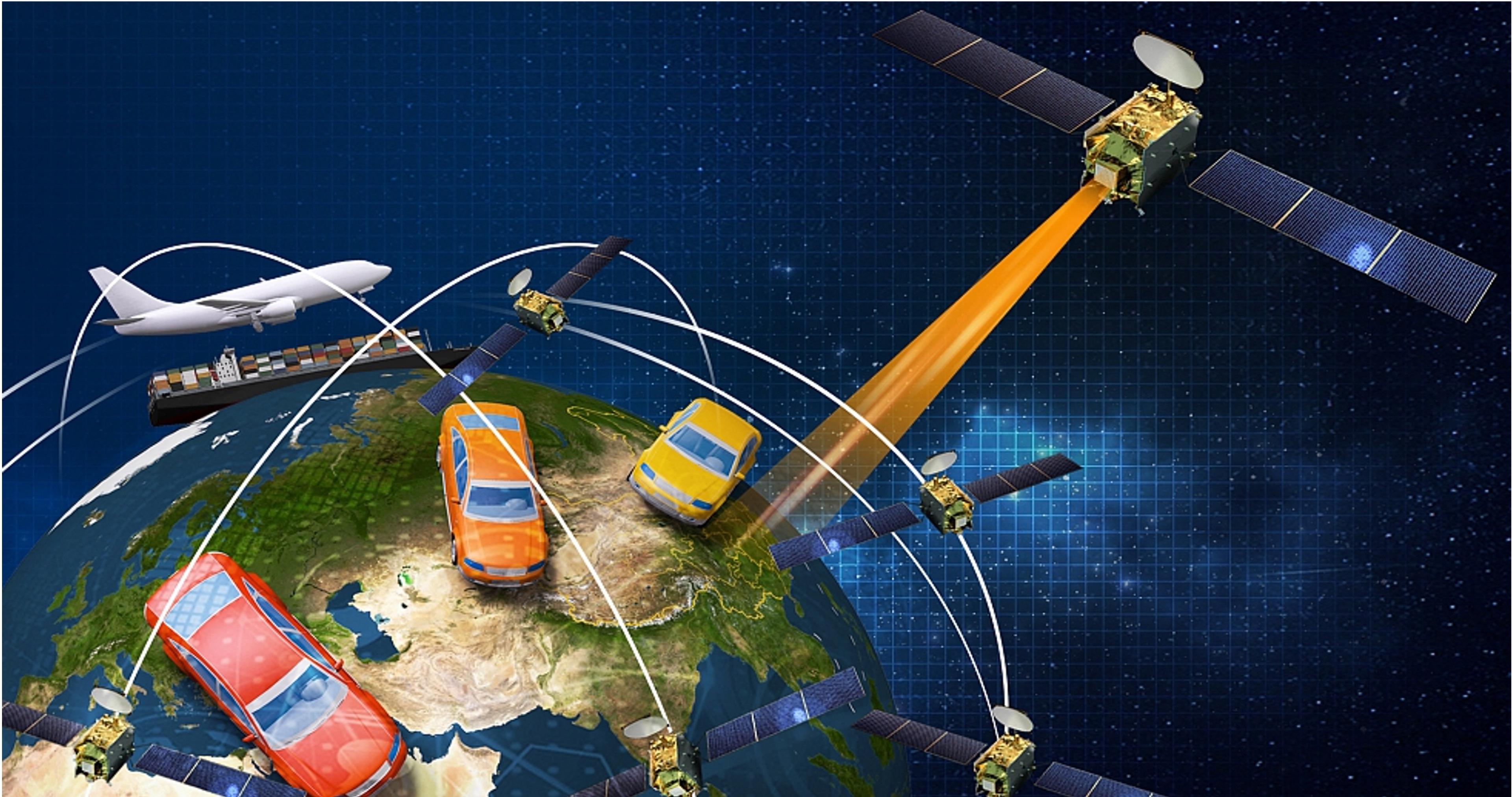

Ultimately, “Mars on Earth” reminds us that the quest for the stars is also a reflection of humanity’s collective creativity and interdependence—an effort not merely to leave our planet, but to build a better, more connected future for all.
⭐️ Clue to the Little Cosmic Detective Activity Sheet Here!
#10

🌛 Space Habitation
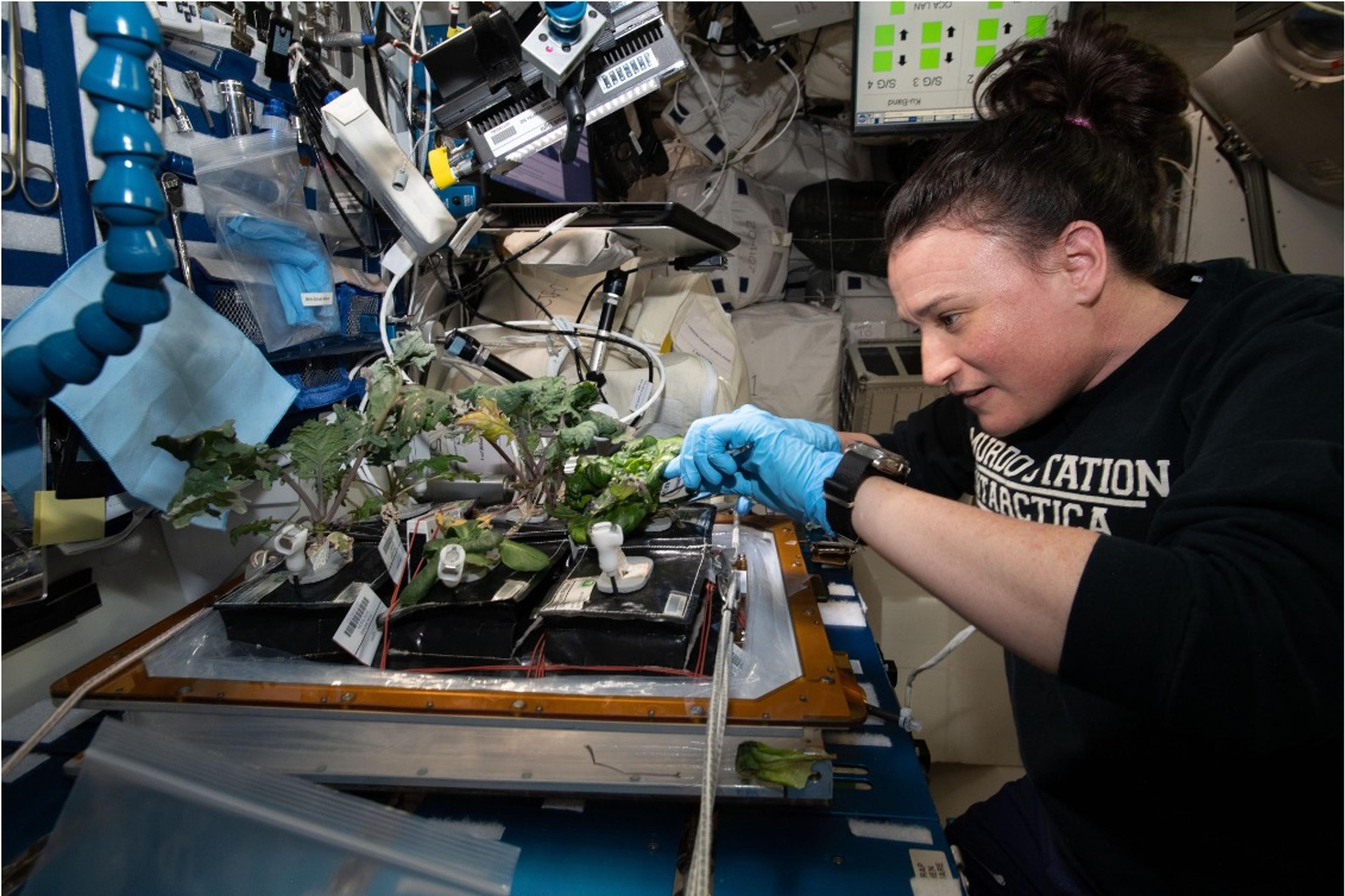
One key scientific theme in his work is the idea of space habitats, which directly addresses the challenges of living beyond Earth. For example, in Space Garden, Najjar imagines a greenhouse in space, where plants float freely in zero gravity. This concept is rooted in the study of how life might thrive in extraterrestrial environments, particularly in controlled ecosystems. Plants in space would need artificial atmospheres to survive, with life oriented toward light sources, similar to current experiments in NASA’s Advanced Plant Habitat aboard the International Space Station (ISS), where plant growth in microgravity is studied.
Another compelling scientific focus in Najjar's work is the potential for human colonization of Mars. In his image of a Martian landscape, Najjar reimagines Buckminster Fuller’s geodesic domes as possible habitats for future Mars settlers. This concept is aligned with ongoing research into sustainable habitats on Mars, such as NASA’s work on inflatable habitats like the Bigelow Expandable Activity Module (BEAM), which could support human life on Mars by providing radiation protection and efficient living space.

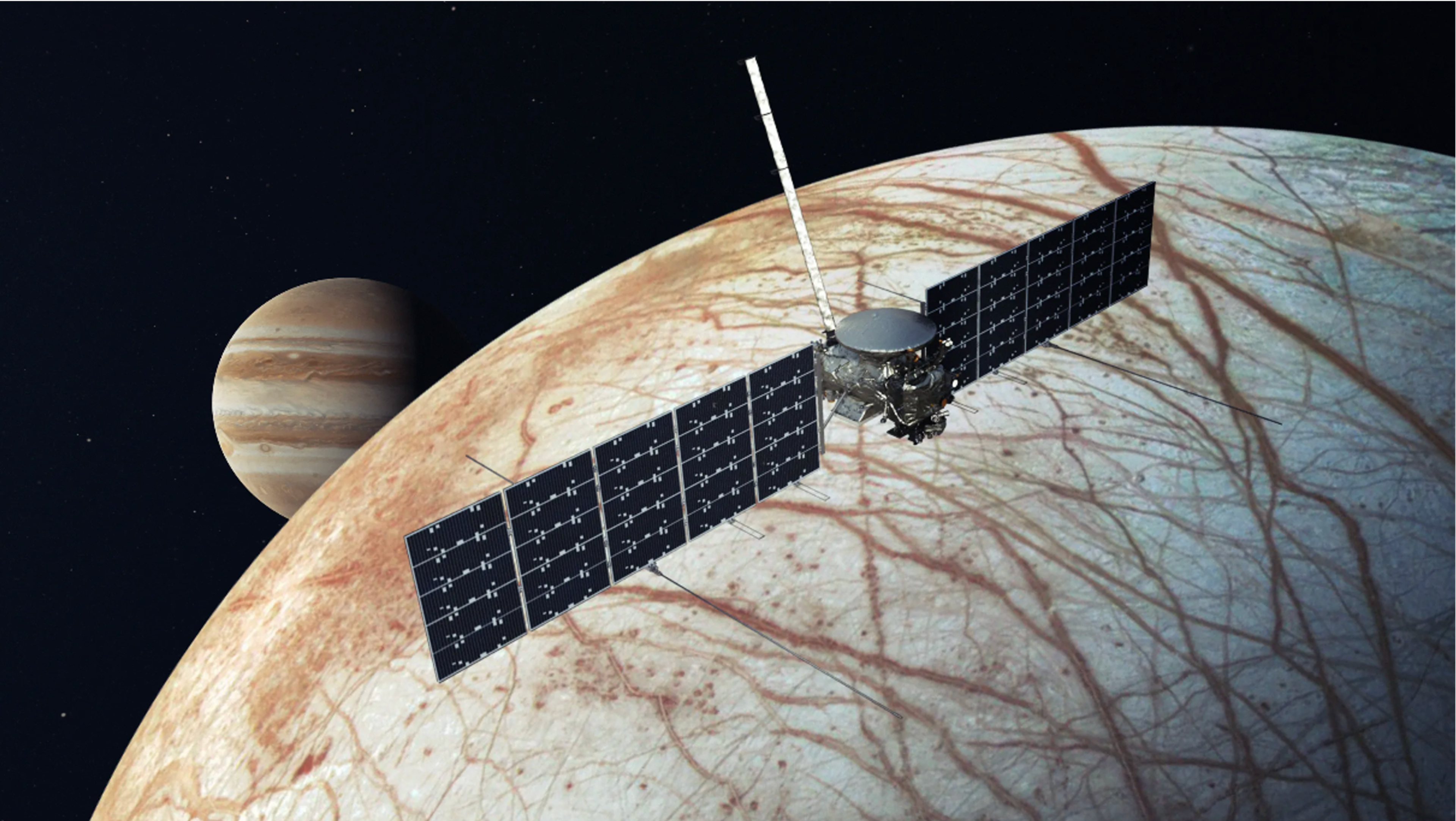
Najjar also delves into the cutting-edge exploration of Jupiter’s moon Europa. His Europa piece merges images of Icelandic glaciers with photographs of Europa’s surface, showcasing the possibility of life beneath its thick ice shell. Scientists have discovered that beneath Europa’s icy exterior lies a vast saltwater ocean, which may harbor the conditions necessary for life. This discovery is significant because it suggests that life could exist in environments previously considered inhospitable. NASA's upcoming Europa Clipper mission aims to explore this possibility further, with the hope of uncovering signs of life in this extreme environment.
⭐️ Clue to the Little Cosmic Detective Activity Sheet Here!
#11

🌛 Coping with Space Debris
Satellites like NOAA-15, NOAA-18, and NOAA-19, launched between the late 1990s and early 2000s, were integral in gathering critical data about Earth's atmosphere and climate patterns. These once-vibrant satellites now drift silently, disconnected from their Earthly mission. Defunct satellites like them, together with spent rocket stages, and fragments from previous collisions in orbit are referred as space debris. NASA estimates that there are over 23,000 objects larger than 10 cm orbiting Earth. Most of this debris is in low Earth orbit (LEO), where operational satellites like NOAA-15 once hovered. As these satellites deorbit, they enter a phase of "exile," eventually burning up in the Earth's atmosphere, while smaller fragments may remain in space, contributing to the growing debris field.
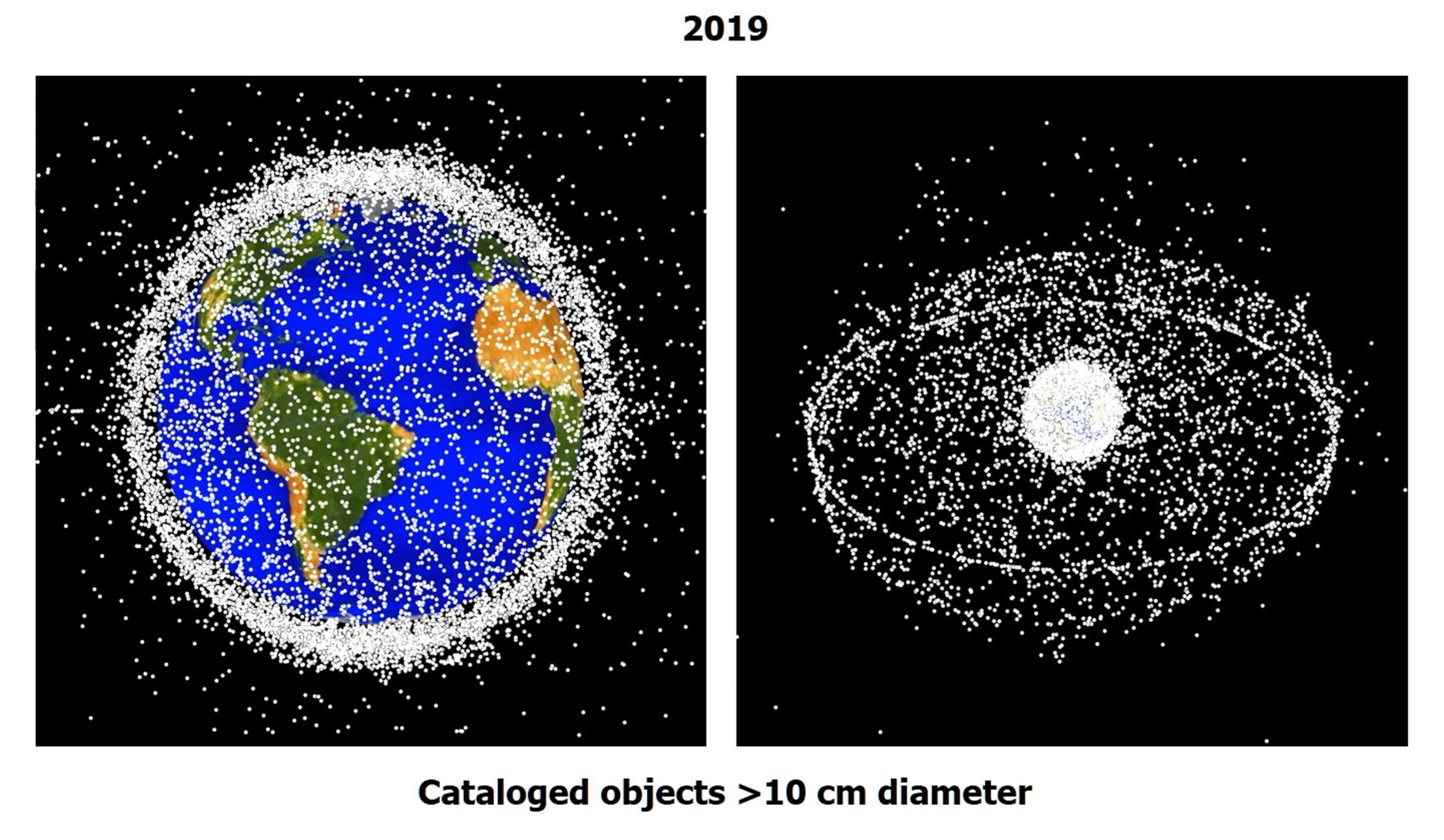
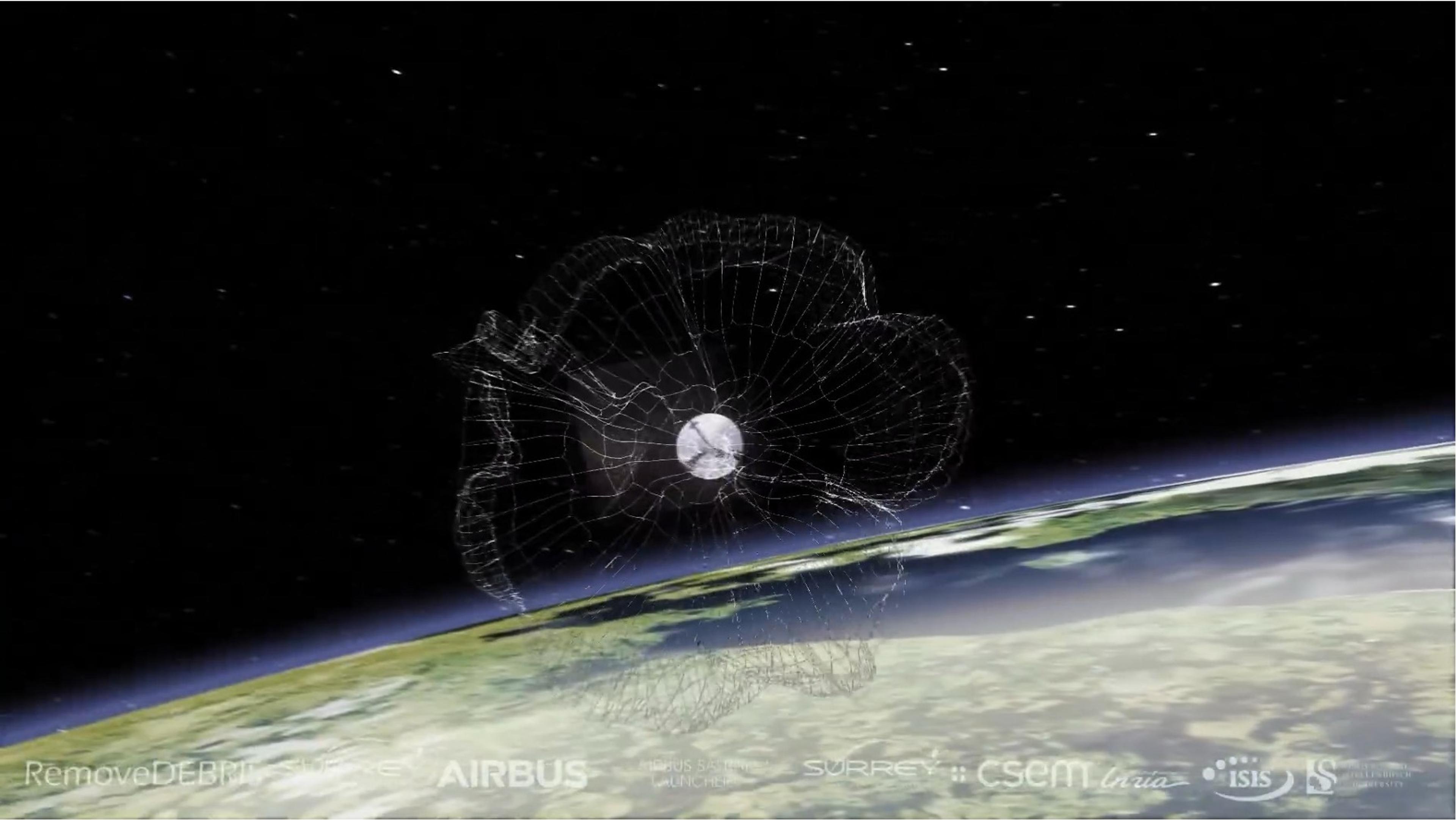
The accumulation of space debris is a growing environmental challenge, one that scientists are working to address through debris tracking and potential solutions for active debris removal (ADR). One promising approach involves using robotic arms or harpoons to capture and remove large debris, while others suggest using "space tugs" to deorbit defunct satellites. Another method involves deploying ion thrusters to push debris into a controlled reentry into Earth’s atmosphere. Innovative projects like RemoveDEBRIS (a European space mission) test technologies like a net to capture and drag space debris, while companies like Astroscale are developing satellite-based systems to remove defunct satellites from orbit.
#12

🌛 Imagining and Actual Space Travel
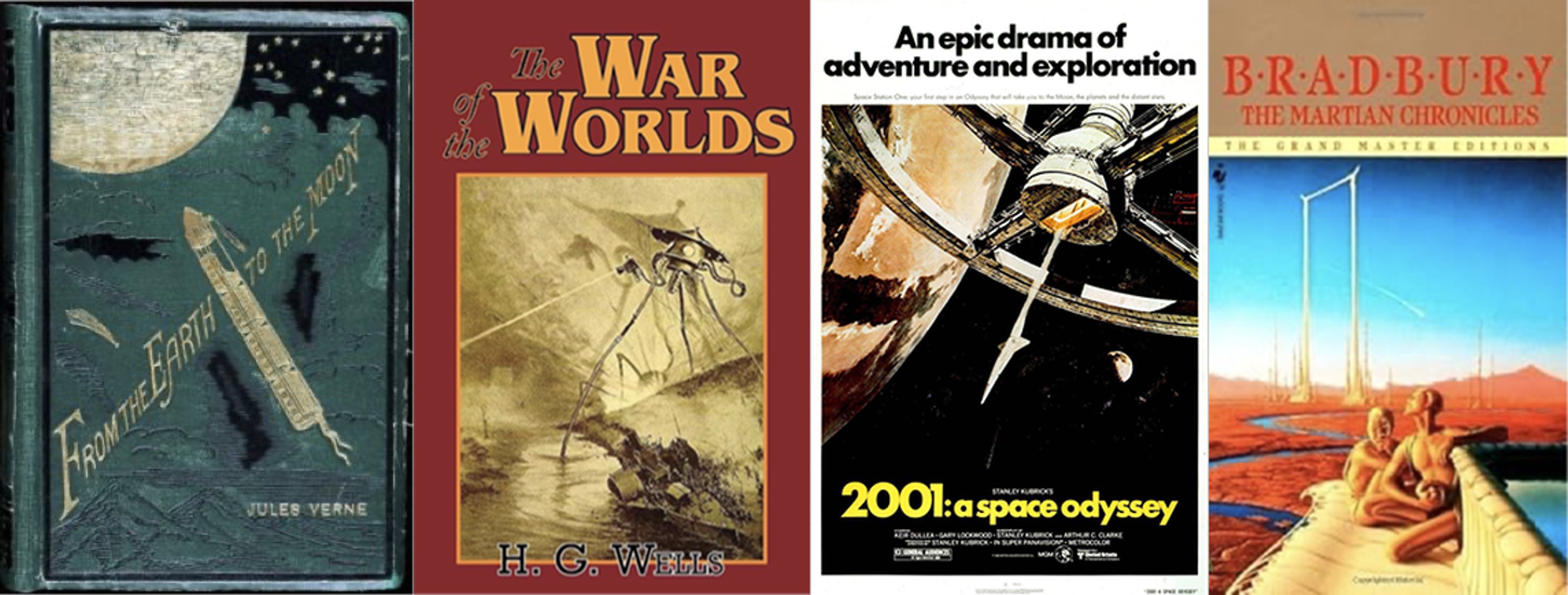
The concept of space exploration has evolved from myth and imagination to a tangible scientific pursuit. Ancient civilizations, gazing at the stars, often associated them with gods or omens. Space, as a realm beyond Earth, was a mysterious and divine space. The idea of exploring it became more concrete in the 19th century, with works like Jules Verne’s From the Earth to the Moon (1865) and H.G. Wells’ The War of the Worlds (1898). These pioneering stories introduced rockets and extraterrestrial life, laying the foundation for modern space travel in literature and popular culture. They sparked the imagination of generations, who began to dream of what was once considered impossible.
In the 20th century, space exploration became a central theme in science fiction, influencing how society perceived the possibilities of space travel. Films like Stanley Kubrick's 2001: A Space Odyssey (1968) and books like Ray Bradbury’s The Martian Chronicles (1950) depicted space exploration as both a scientific endeavor and a human adventure, with themes of artificial intelligence, space stations, and the survival of humanity beyond Earth. These stories, blending the fantastic with the plausible, painted an idealized image of what space exploration could be.
However, the real development of space travel took place during the Cold War, beginning with the Soviet Union’s launch of Sputnik 1 in 1957, the first artificial satellite. This marked the start of the space race between the United States and the Soviet Union, a battle driven by national prestige, scientific progress, and military competition. Yuri Gagarin’s 1961 flight into space and the Apollo 11 Moon landing in 1969 were monumental achievements that propelled humanity into the modern space age. These real missions, however, were far more about technological and logistical challenges than the smooth, idealized voyages seen in fiction.
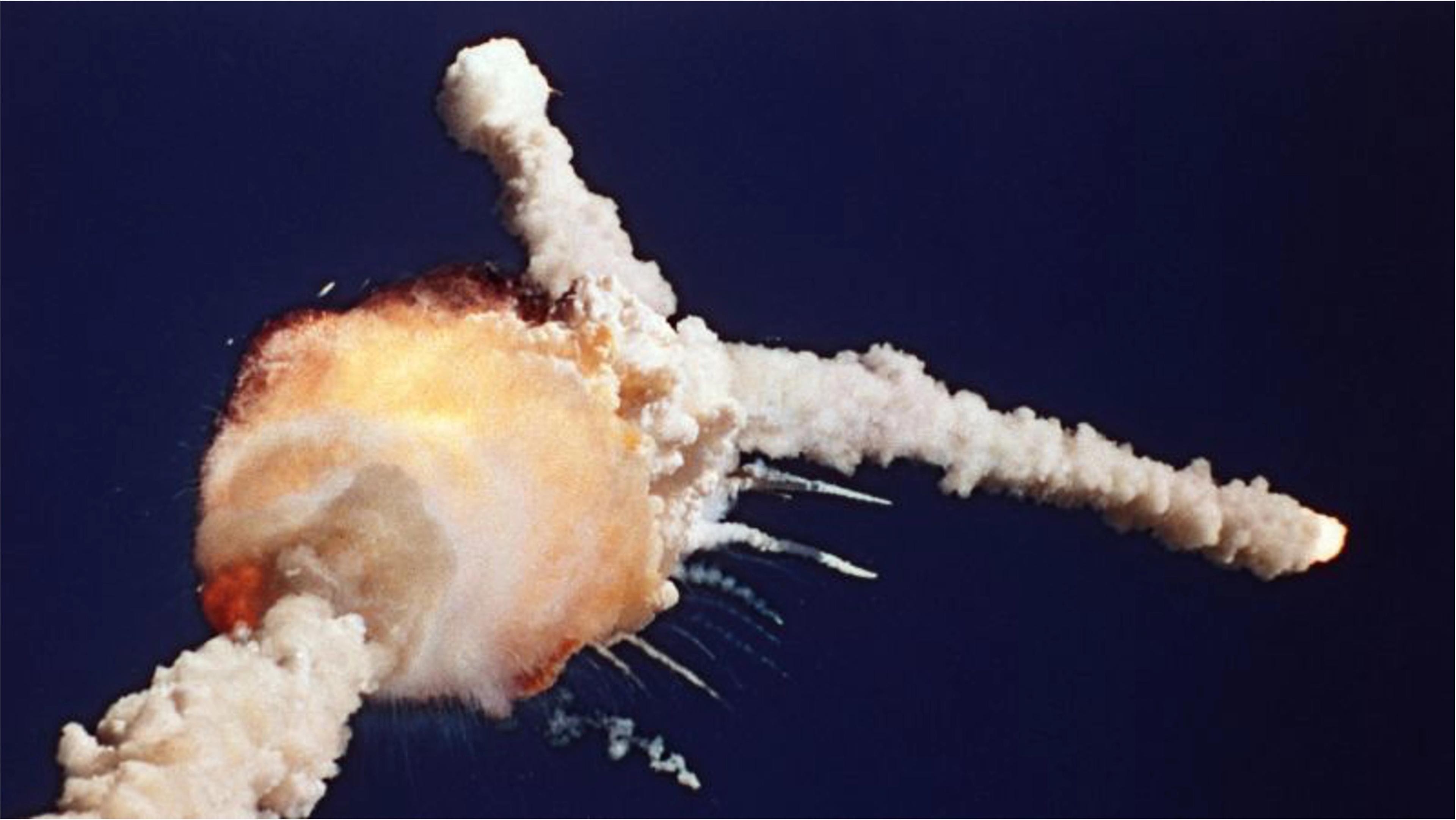
While science fiction imagined space travel as seamless and utopian, the reality was far more perilous. Early astronauts faced significant dangers, such as the life-threatening Apollo 13 mission and the Challenger disaster. The harsh realities of space—microgravity, radiation exposure, and the vast distances—presented unforeseen challenges that fiction often glossed over. Technologies like faster-than-light propulsion and sustainable space habitats remain speculative, and while space tourism is growing, it’s still far from the vision of freely traveling through space as imagined in works like Star Trek. The divide between imaginative fiction and practical reality is vast, but the two continue to inspire and shape each other.
⭐️ Clue to the Little Cosmic Detective Activity Sheet Here!
#13

🌛 Photon detection
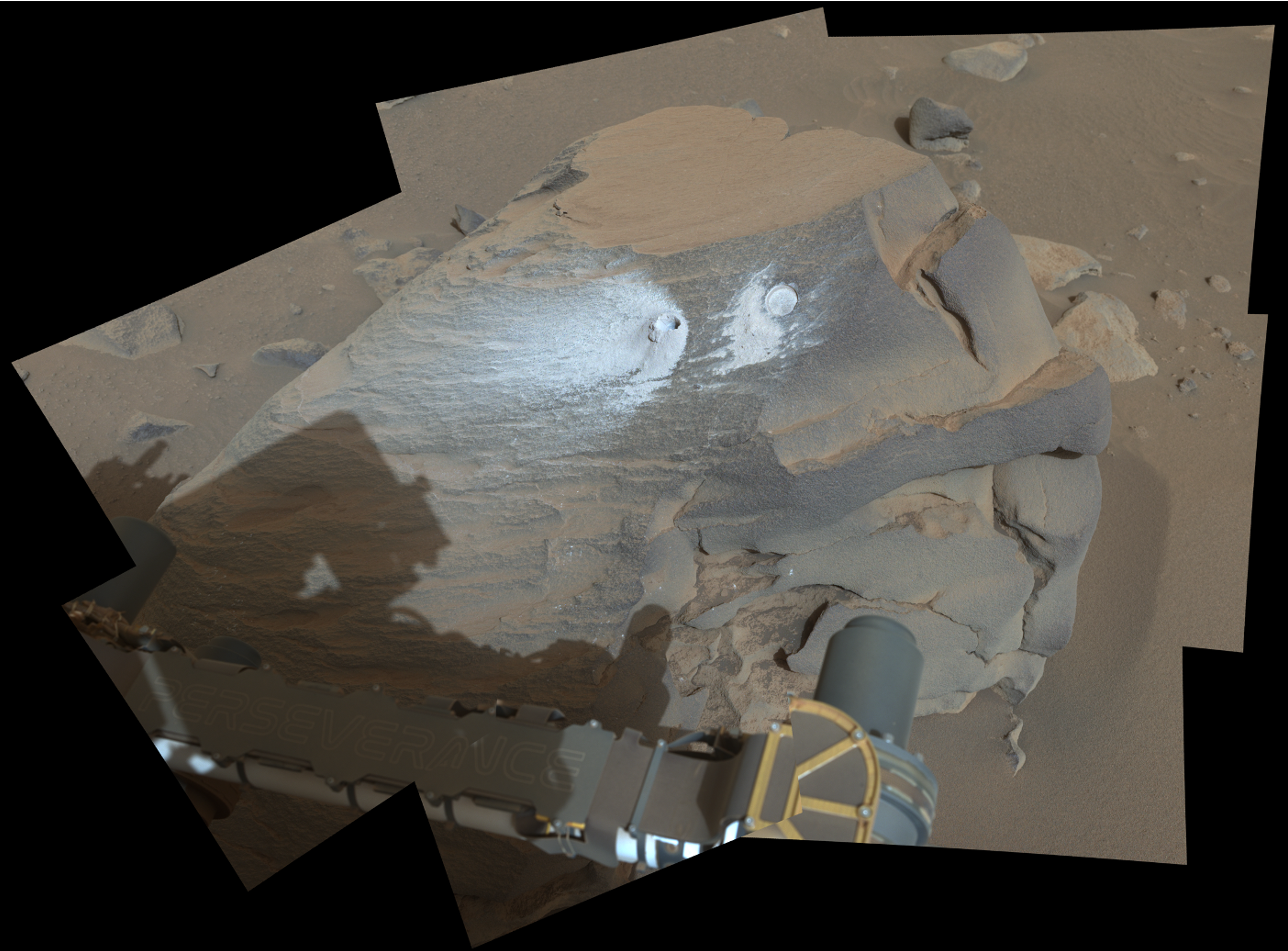
At the heart of the work is the scientific concept of photon detection—the fundamental process through which images from Mars are captured. When the Mars rovers send back pictures to Earth, these images are not directly visible to the human eye; instead, they are formed by light-sensitive sensors on the rover's cameras that detect photons, the particles of light reflecting off Mars' surface.
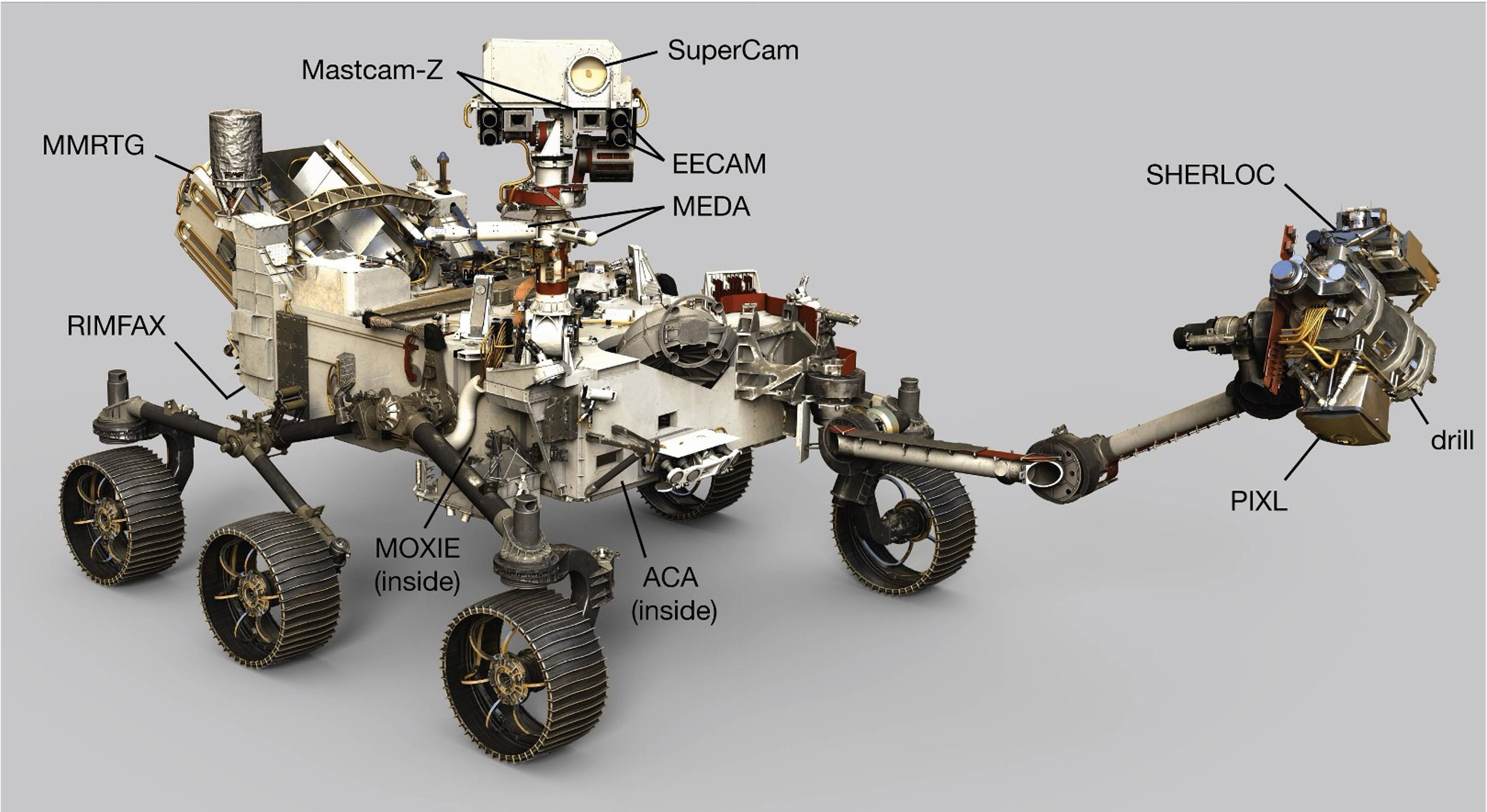
Photons, the smallest units of light, travel from a source (like the Sun or a distant star) and hit an object, such as the surface of Mars. These photons carry information about the object’s properties, such as its color, temperature, and composition. To capture this information, specialized detectors—such as charge-coupled devices (CCDs) or complementary metal-oxide-semiconductor (CMOS) sensors—are used on cameras like those aboard Mars rovers.
When photons hit the sensor, they cause a small electric charge to accumulate in the sensor’s cells. The number of photons hitting each cell determines the amount of charge produced, which is then measured and converted into a digital signal, forming an image. This process is often done over multiple exposures, where thousands or even millions of photons are collected and stacked together to improve image clarity and detail.
The scientists at NASA’s Jet Propulsion Laboratory work tirelessly to navigate the rover across Mars, analyzing and interpreting raw data from the rover's cameras. This iterative process transforms alien, seemingly barren landscapes into spaces imbued with scientific and emotional significance. This highlights a crucial scientific reality: data does not simply "speak for itself". Instead, it requires context, interpretation, and the continual accumulation of knowledge to be understood.
#14

🌛 Real-Time Satellite Data
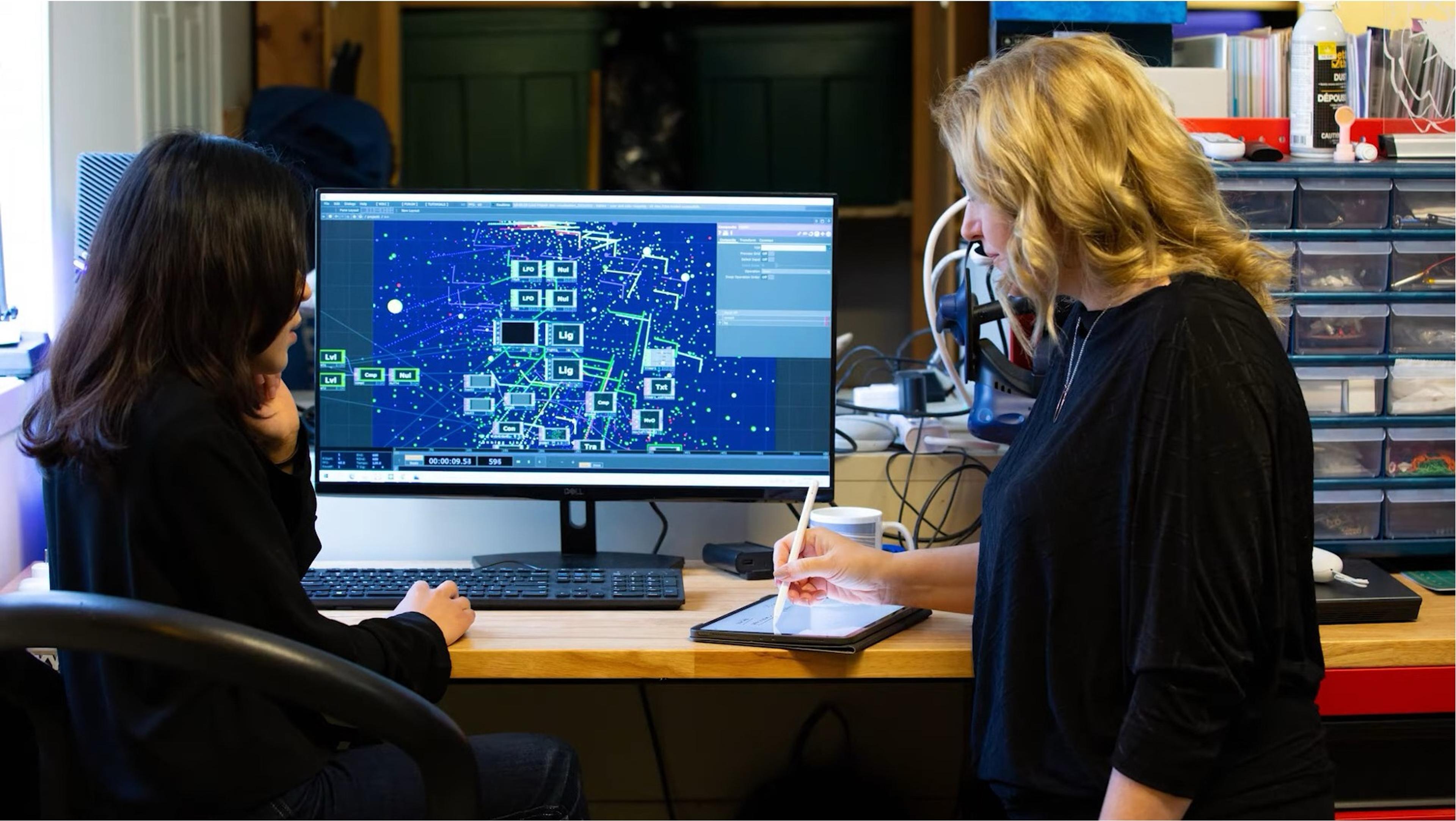
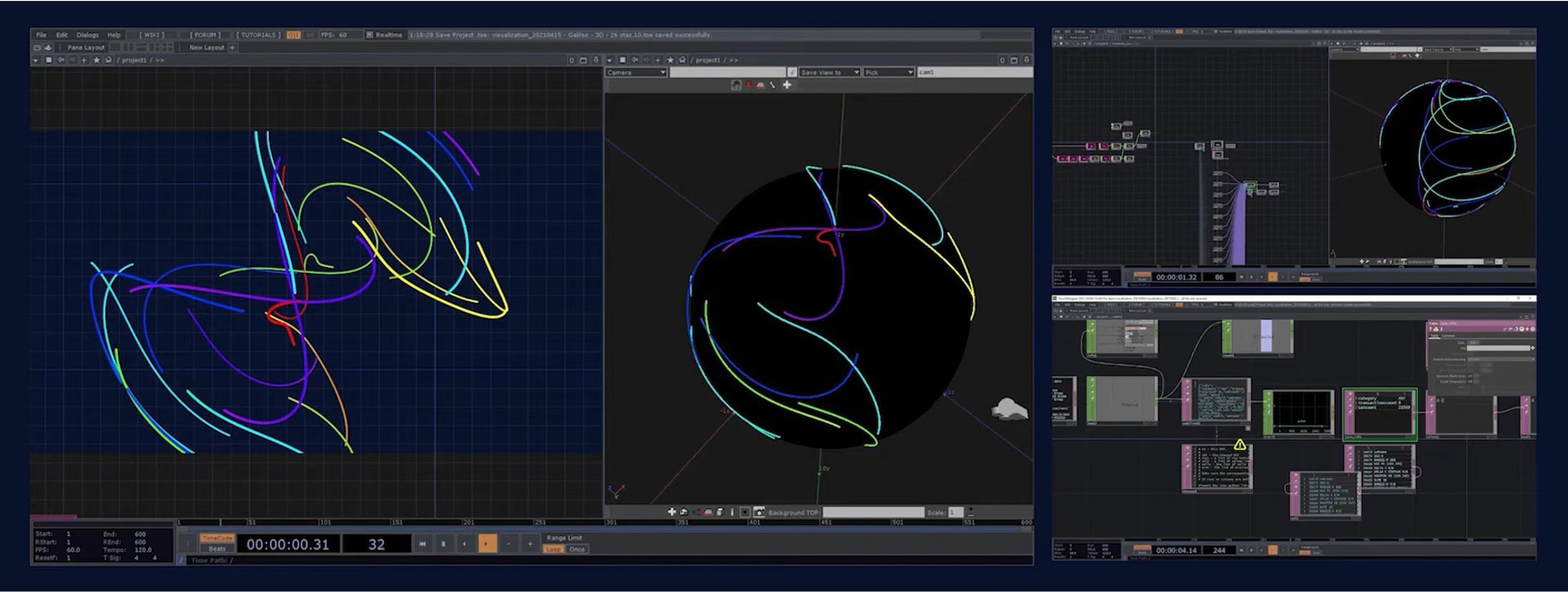
Smith & Gao utilize an API from N2YO (short for "Near 2 You Online"), which provides precise information about satellite positions, including latitude, longitude, and altitude. This data is then converted into visual representations in TouchDesigner, a software platform used for creating interactive media. Each satellite’s position is mapped onto an image, where the RGB values correspond to its coordinates at any given moment, creating a dynamic and ever-changing map of the sky.
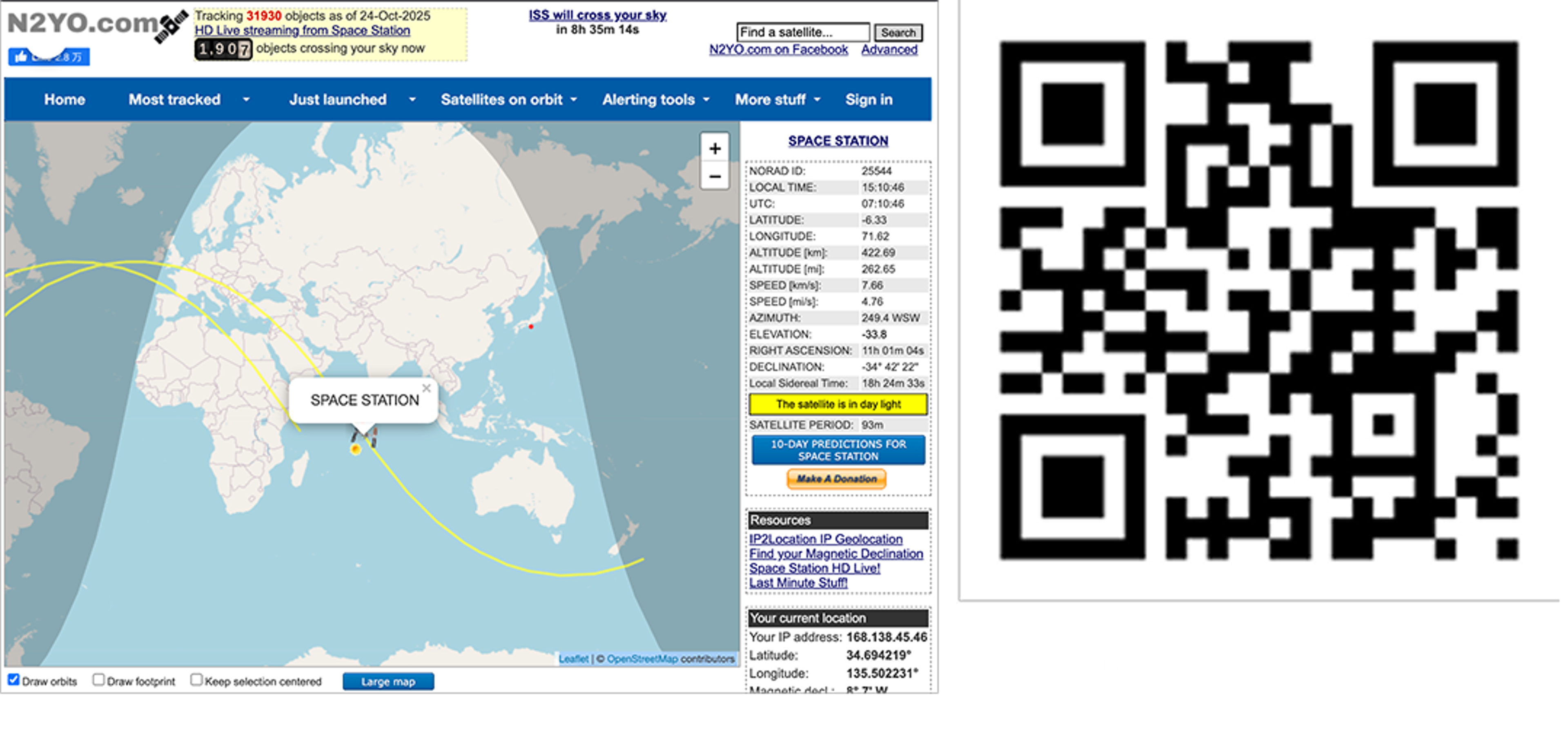
The database updates every 15 seconds, allowing viewers to witness the continuous movement of satellites in real-time.
⭐️ Clue to the Little Cosmic Detective Activity Sheet Here!
Section III — Internal Illuminations
#15

🌛 Möbius Strip, Klein Bottle and Daoism
Zhang Wenxin’s artwork bridges several fascinating scientific and philosophical concepts, notably from topology, Daoism, and spatial perception. The core scientific element is the use of a Klein bottle, a concept from mathematical topology. A Klein bottle is a non-orientable surface, meaning it has no distinction between its inside and outside, much like a Möbius strip. In the context of the artwork, Zhang has conceptualized a cave that merges these abstract mathematical principles with a physical location in Guangxi, China. This cave, in her depiction, becomes a topological manifold—a continuous, boundaryless space that does not separate interior from exterior. The use of photomontage in the artwork physically manifests this topological idea, creating a cavernous scene that exists beyond the limitations of traditional three-dimensional space.
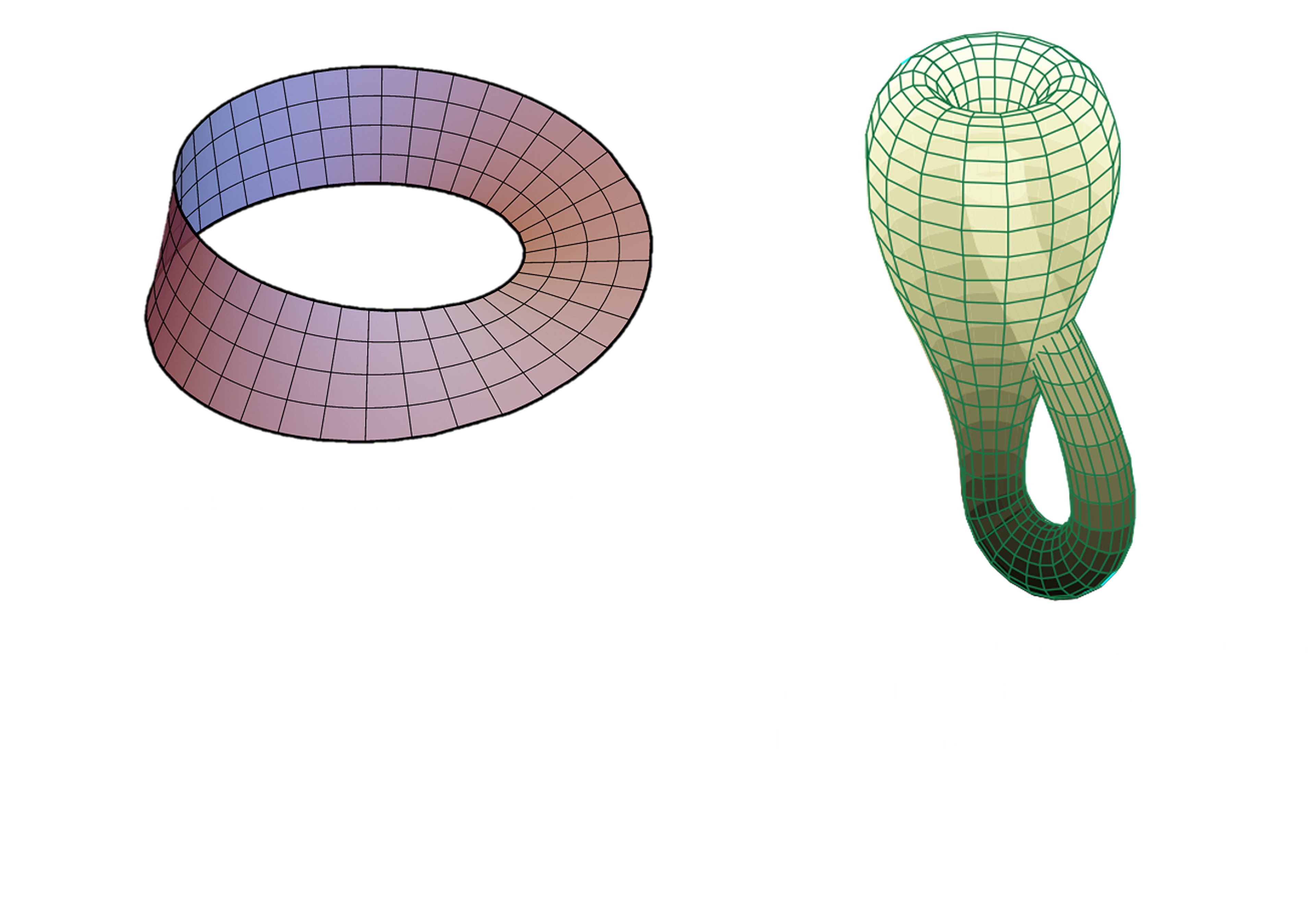
The cave’s transformation in the artwork also invites a comparison to the concept of “space-time” in modern physics, where the interior and exterior of a system are not distinctly separate, challenging our conventional understanding of boundaries. By merging this concept with the Daoist philosophy of Neidan (Internal Alchemy), Zhang explores how the subjective inner self connects to the objective outer universe. The idea that "inside" and "outside" are one, both in physical space and in the self, mirrors principles seen in quantum mechanics, where particles can exist in states of superposition, seemingly defying traditional space-time limitations.
#16

🌛 Mayan Bee and JWST
Space Nomads connects ancient knowledge, ecological science, and modern space exploration into one continuous story — showing that the future of space begins with how we care for Earth today.
One key scientific thread in the work is the role of pollinators, represented by the stingless bee Xunan-Kaab, native to the Yucatán. Stingless bees are small but vital engineers of life: they pollinate the plants that feed forests, animals, and humans. Today, scientists warn that pollinators worldwide are declining due to habitat loss, pesticides, and climate change. Without them, our food systems and ecosystems could collapse. By placing Xunan-Kaab at the center of a cosmic narrative, the artwork highlights how biological survival on Earth is directly tied to technological ambitions in space.
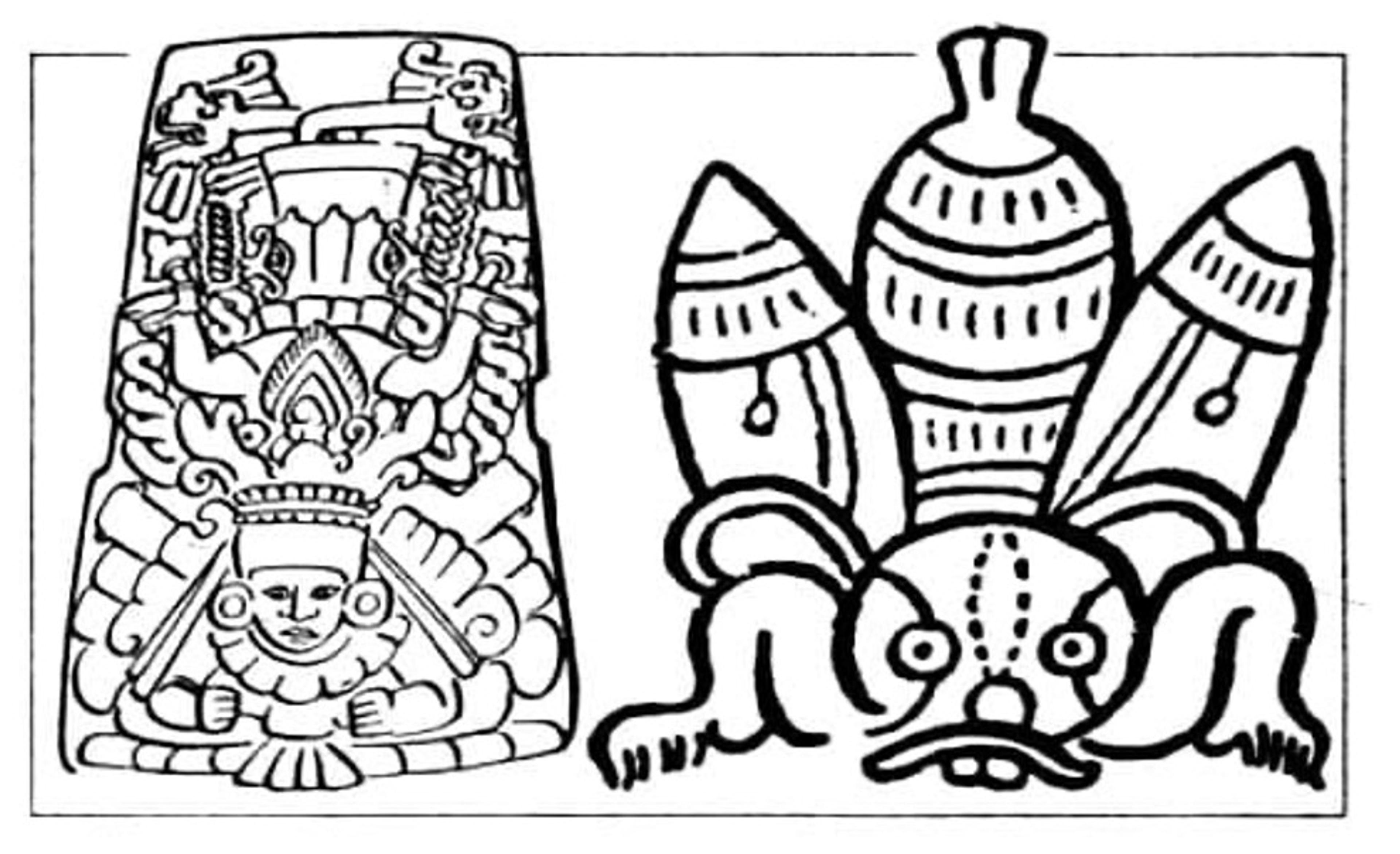
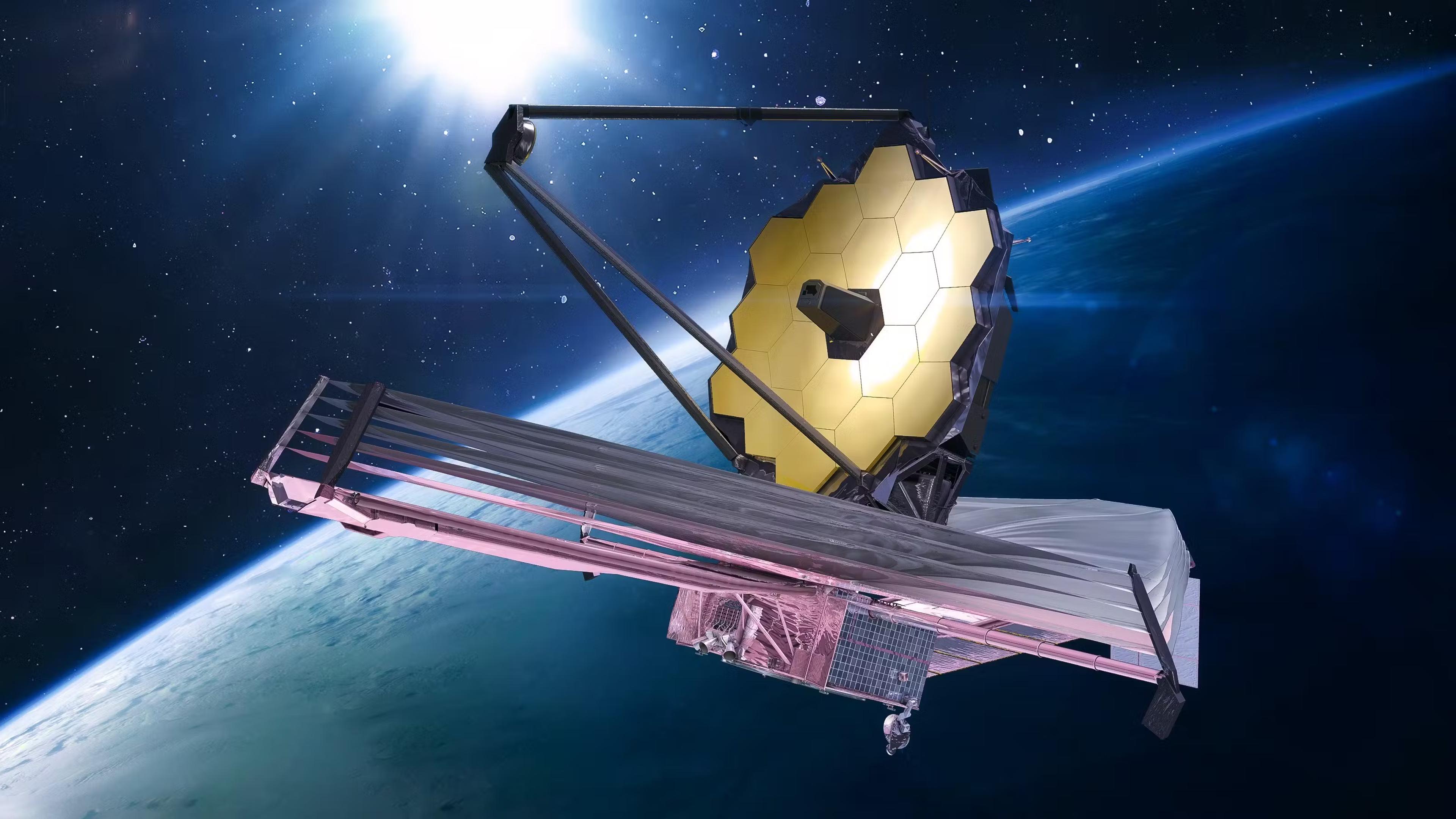
Another scientific layer comes from the imagery of the James Webb Space Telescope (JWST), humanity’s most powerful eye in the universe. Launched from French Guiana, the JWST allows scientists to look back billions of years in time, studying how the first stars and galaxies formed. Its gold-coated mirrors and infrared sensors can detect the faintest heat from distant worlds, helping us search for signs of life beyond Earth. The telescope represents the cutting edge of human curiosity — our desire to understand where we come from and where we might go.
#17

🌛 What is “Xuanji” ("Turning Sphere")?
The word “Xuanji” originally comes from ancient Chinese astronomy. Its most basic meaning refers to an important part of an old sky-observing instrument called the armillary sphere.
In the ancient book Shangshu · Shundian, it says: “Use the Xuanji and the Jade Balance to align the seven celestial motions.” Since the Han dynasty, many scholars believed that “Xuanji” was the rotating central axis of the armillary sphere—some say it was a toothed circular ring. “Yuheng” (Jade Balance) was likely the viewing tube used to aim at the stars.
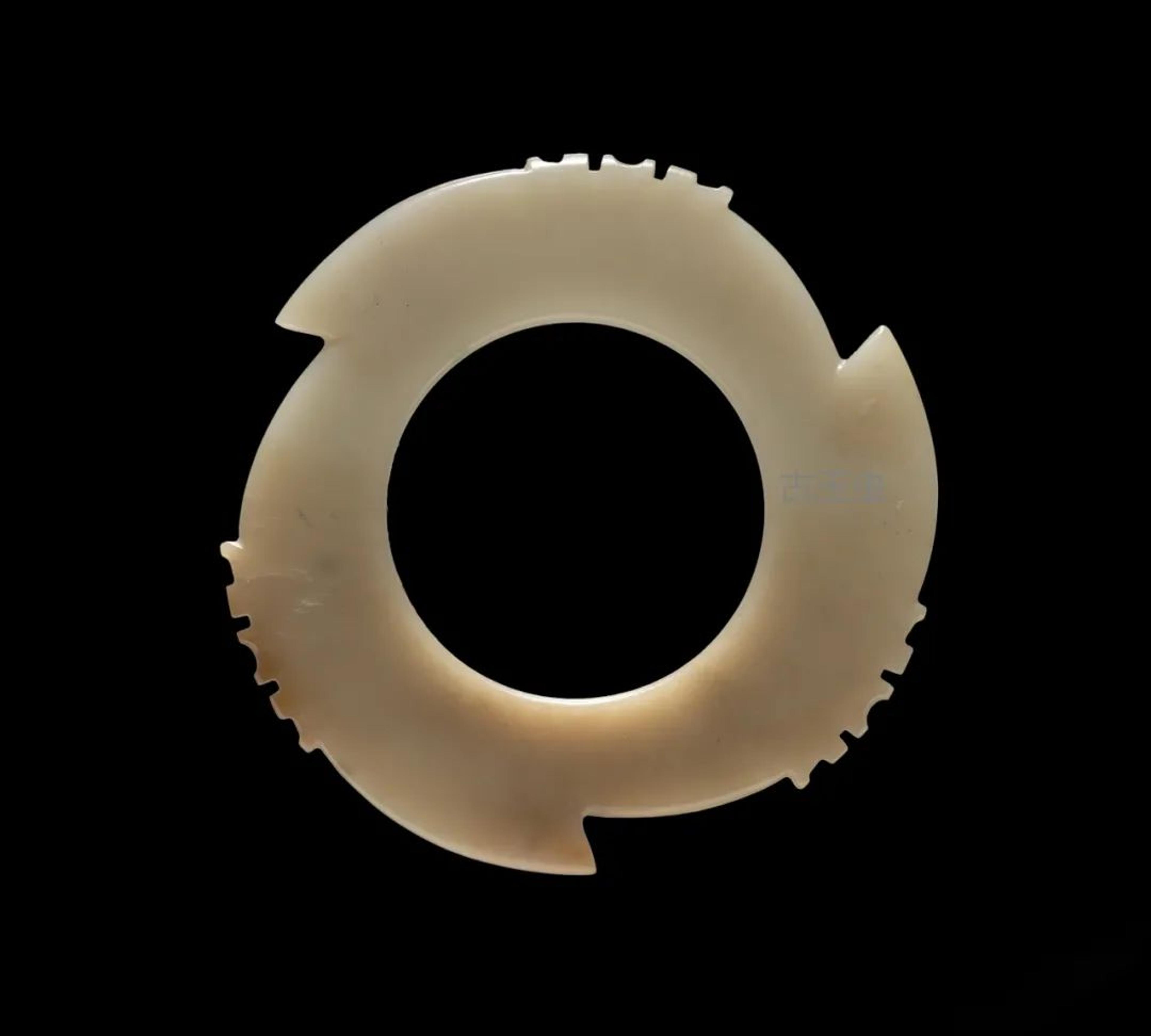
By turning this part, ancient astronomers could track the movement of the Sun, Moon, and stars. This helped them make calendars and manage state affairs (the “seven motions”). Because the Xuanji pointed toward the North Star—the star ancient Chinese people saw as the seat of the heavenly emperor—and because the Big Dipper rotates around it, “Xuanji” also became a symbol of the center of the universe and cosmic order.
#18

🌛 When Ra Meets Entropy
Yin-Ju Chen’s Extrastellar Evaluations III: Entropy: 25800 connects cosmic science, ancient mythology, and the idea of extraterrestrial observation to explore how universal forces shape human life. The central scientific idea is entropy, the measure of disorder in a system. According to the Second Law of Thermodynamics, entropy always increases: heat spreads out, structures break down, and time moves forward. Chen imagines an intelligence from outer space evaluating Earth through this lens — watching how our societies rise, collapse, and reorganize as part of the universe’s natural drift toward disorder.

The film also merges physics with myth through the figure of Ra, the Egyptian sun god. In mythology, Ra brings light and life each day by crossing the sky. Scientifically, the Sun truly is the engine of Earth: its energy powers weather patterns, plant growth, climate cycles, and the conditions that sustain all living systems. Yet solar energy also drives entropy by creating uneven heating and constant planetary change. In this way, Ra becomes a symbolic bridge linking ancient cosmology with modern thermodynamics.
#19

🌛 Arabs in the History of Navigation
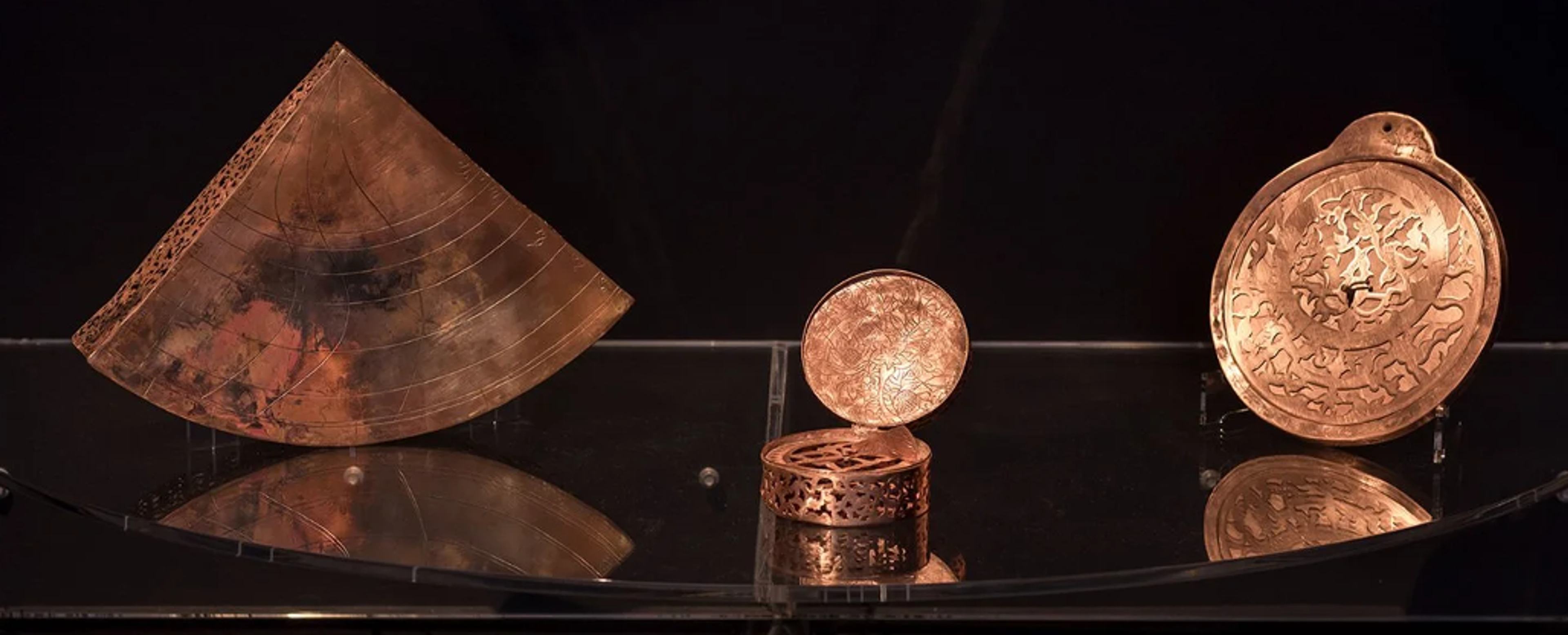
Arabs made some of the most important contributions to navigation between the 8th and 15th centuries, helping shape the tools and knowledge that guided global exploration. Arab sailors mastered celestial navigation, using the Sun and stars to cross the Indian Ocean long before European explorers. They refined Greek astronomical knowledge and created highly accurate star charts, including detailed maps of constellations used for determining latitude.
One of their key contributions was improving the magnetic compass after it arrived from China, making it more practical for open-sea travel. Arab astronomers also developed advanced astrolabes, instruments used to measure the altitude of celestial bodies. These were later adopted and further refined in Europe.
In navigation science, scholars like Al-Battani and Al-Farghani calculated Earth’s measurements with impressive accuracy, supporting more reliable long-distance travel. Arab innovations in mathematics, astronomy, and maritime practice laid essential foundations for the later Age of Exploration.
⭐️ Clue to the Little Cosmic Detective Activity Sheet Here!
#20

🌛 African Cosmology
Instead of separating the physical world from the spiritual world, African cosmology believes they are deeply linked.
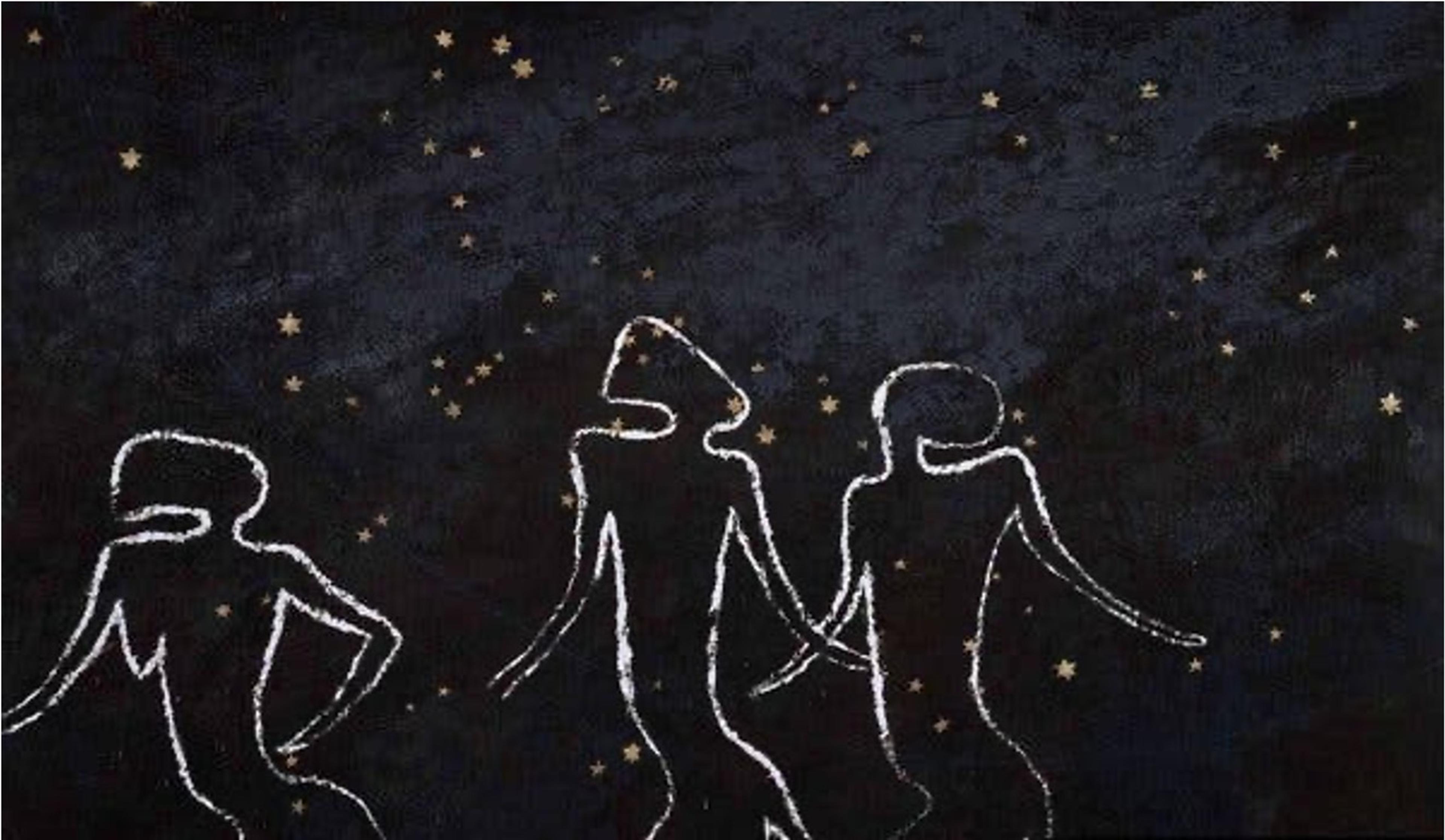
At the center of this belief are powerful gods, spirits, and ancestors who shape and guide life. For example, in the Igbo tradition, there is a god called Chukwu, who created the world. There are also other spirits that protect nature, like trees, rivers, and animals.
In Dogon cosmology from Mali, people believe that the stars, especially the star system Sirius, play an important role in their creation stories. They see the universe as a place of constant change, where creation and destruction happen in cycles.
The idea is that life is not just about what we see, but also about the spiritual forces we can’t see. The past, present, and future are all connected, and ancestors continue to have an influence on the world today. African cosmology teaches that everything has a purpose, and we are all part of a greater cosmic plan.
Thank you for reading! We hope you enjoyed the exhibition!
Text: Christian Devillers, Sean Wang
Production: Sean Wang